
You wake up to your alarm feeling as if you barely slept. You sit at your desk staring at a task list that once would have taken two hours to conquer, but your focus drifts and your motivation feels blunted. Workouts that used to leave you energized and building lean muscle now leave you sore and depleted for days, while stubborn abdominal fat accumulates despite no noticeable change in your diet. To compound the frustration, your enthusiasm for social connection and sexual intimacy has quietly receded into the background. You feel less like yourself, yet standard annual checkups often end with a hurried reassurance that 'everything looks normal.'
In recent years, millions of men navigating this constellation of symptoms have begun asking a straightforward question: could this be my hormones? Driven by widespread discussions across podcasts, wellness communities, and men's health clinics, testosterone has emerged as the cultural shorthand for male vitality. When a man feels exhausted, unmotivated, and physically sluggish, it is intuitive to wonder whether his testosterone has dropped. Sometimes, that intuition is entirely correct—testosterone deficiency affects millions of adult men and directly impairs physical stamina, cognitive sharpness, and emotional resilience.
However, human bioenergetics and neurobiology are far more nuanced than a single hormone. Fatigue and diminished drive are rarely isolated problems; they represent the downstream output of an interconnected web spanning sleep architecture, thyroid metabolism, micronutrient status, autonomic nervous system tone, adrenal function, mental health, and androgen signaling. Jumping prematurely to hormone replacement without a thorough diagnostic evaluation can mask serious medical conditions, waste financial resources, and potentially shut down natural reproductive capacity. Conversely, ignoring genuine endocrine deficiency leaves treatable metabolic and psychological decline unaddressed.
Skimming? If this topic feels relevant, a short informational assessment can help you organize questions for a licensed clinician. It takes a few minutes, covers TRT, and is not a diagnosis. Start the short assessment →
This long-form clinical guide provides an evidence-based foundation for understanding the intricate relationship between energy, motivation, and male hormones. We examine what 'energy and hormones' truly means from a medical perspective, detail the hallmark symptoms that warrant clinical evaluation, walk through the step-by-step diagnostic testing protocols endorsed by the American Urological Association (AUA) and the Endocrine Society, explore what testosterone replacement therapy (TRT) actually involves, uncover non-androgen contributors like sleep apnea and thyroid dysfunction, and arm you with the exact questions to bring to a licensed healthcare provider. For a detailed breakdown of treatment costs, explore our analysis of how much TRT costs in 2026; to compare virtual and in-person care models, read online vs. local TRT clinics; and to review every treatment class in depth, consult our guide to low testosterone treatment options.
What 'energy and hormones' usually means in men's health
When clinicians evaluate a man presenting with 'low energy' or 'hormone concerns,' they do not view energy as a vague feeling. In human physiology, daily energy represents the integrated performance of multiple biochemical and neurological systems working in concert. Feeling energized and motivated requires three distinct biological components: cellular energy production (ATP synthesis inside mitochondria), cardiovascular oxygen delivery (erythrocyte mass and microvascular perfusion), and central nervous system arousal (neurotransmitter balance, particularly dopamine and norepinephrine). Hormones serve as the primary chemical messengers that orchestrate these three pillars.
Testosterone is the primary androgenic-anabolic steroid hormone in men, produced primarily by the Leydig cells of the testes under the pulsatile stimulation of pituitary luteinizing hormone (LH). Circulating throughout the bloodstream, testosterone binds to intracellular androgen receptors present in almost every tissue of the male body—including skeletal muscle, cardiac myocytes, vascular endothelial cells, adipose tissue, bone marrow, and the central nervous system. In the context of vitality and stamina, testosterone exerts several direct physiologic actions:
- Erythropoiesis and Oxygen Carriage: Testosterone directly stimulates the renal synthesis of erythropoietin (EPO) and enhances erythroid progenitor proliferation in the bone marrow. This maintains healthy hemoglobin and hematocrit concentrations, ensuring that working muscles and brain tissue receive adequate oxygen during physical and cognitive exertion.
- Mitochondrial Biogenesis and Muscle Bioenergetics: Androgens upregulate transcriptional coactivators (such as PGC-1alpha) that drive the formation of new mitochondria inside skeletal muscle cells, directly enhancing oxidative phosphorylation and the cellular capacity to generate adenosine triphosphate (ATP).
- Neurotransmission, Mood, and Dopaminergic Tone: Testosterone and its neuroactive metabolites cross the blood-brain barrier, modulating androgen receptors in the limbic system, prefrontal cortex, and ventral tegmental area. Testosterone supports dopamine synthesis and turnover, the primary neurotransmitter pathway responsible for drive, goal-directed behavior, competitive motivation, and the subjective sense of reward.
- Metabolic Partitioning and Insulin Sensitivity: Testosterone inhibits the uptake of fatty acids into visceral fat stores while promoting glucose uptake into skeletal muscle. Healthy androgen concentrations help maintain systemic insulin sensitivity, preventing the postprandial energy crashes associated with insulin resistance and reactive hypoglycemia.
Because testosterone touches so many fundamental biological pathways, when circulating concentrations fall below physiologic thresholds, the breakdown in bioenergetics can feel pervasive. However, testosterone does not operate in a vacuum. A man's endocrine system functions like an orchestra: if the thyroid is underactive, if the adrenal glands are bathed in chronic cortisol from unrelenting sympathetic stress, or if cellular vitamin D receptors are starved, optimizing testosterone alone will not restore vitality. True clinical care requires examining the entire metabolic and hormonal landscape.
| Biological Factor | Physiological Mechanism | Impact on Daily Energy & Drive | Common Diagnostic Biomarkers |
|---|---|---|---|
| Testosterone (Total & Free) | Stimulates red blood cell synthesis, muscle mitochondrial function, and central dopaminergic drive. | Deficiency leads to physical exhaustion, loss of competitive motivation, reduced strength, and anhedonia. | Total Testosterone (LC-MS), Free Testosterone (Equilibrium Dialysis), SHBG. |
| Thyroid Hormones (T3 / T4) | Sets basal metabolic rate, oxygen consumption, and cellular ATP turnover across all organs. | Hypothyroidism produces profound sluggishness, cold intolerance, cognitive slowing, and muscle weakness. | TSH, Free T4, Free T3, Thyroid Peroxidase Antibodies (TPO). |
| Sleep Architecture & Oxygenation | Nocturnal REM and slow-wave sleep restore neurochemical balance and enable peak hormone synthesis. | Obstructive sleep apnea causes micro-arousals, daytime somnolence, morning headaches, and blunted morning testosterone. | Polysomnography (In-Lab or Home Sleep Apnea Test), Epworth Sleepiness Scale. |
| Adrenal HPA Axis (Cortisol) | Governs circadian wakefulness, stress response, and systemic inflammatory modulation. | Chronic stress produces circadian cortisol dysregulation, insomnia, afternoon energy crashes, and burnout. | Morning Serum Cortisol, DHEA-Sulfate, 4-Point Salivary Cortisol. |
| Iron & Ferritin Stores | Essential cofactor for hemoglobin formation, mitochondrial electron transport, and cellular energy. | Iron deficiency (even without overt anemia) impairs physical stamina, exercise capacity, and focus. | Serum Ferritin, Iron Saturation, Total Iron-Binding Capacity (TIBC). |
| Vitamin D & Micronutrients | Steroid hormone precursor influencing nuclear gene transcription, immune tone, and muscle protein synthesis. | Deficiency correlates with muscle fatigue, bone aches, impaired recovery, and depressed mood. | 25-Hydroxyvitamin D [25(OH)D], Serum Zinc, Magnesium RBC, Vitamin B12. |
Symptoms that commonly prompt evaluation
Men rarely schedule an appointment with a healthcare provider simply because they suspect their laboratory values have shifted. They seek medical care because their lived experience has degraded—they notice that daily tasks feel heavier, their resilience is diminished, and their bodies are not responding to effort the way they once did. In clinical practice, men experiencing energy and hormone concerns typically report a clustering of physical, psychological, and sexual symptoms.
However, a critical clinical distinction must be drawn between symptoms that are highly specific to androgen deficiency and those that are broad and nonspecific. While popular culture often attributes any form of fatigue to low testosterone, clinical practice guidelines emphasize that symptoms carry vastly different diagnostic weights:

More suggestive symptoms and physical signs
When a man experiences symptoms that directly reflect androgen receptor downregulation in reproductive and musculoskeletal tissues, the likelihood of a true underlying hormone deficiency is considerably higher:
- Loss of Morning and Spontaneous Penile Erections: Nocturnal and early-morning erections are involuntary physiologic events driven largely by healthy androgenic tone and autonomic balance. Their consistent disappearance is one of the most reliable clinical markers of hypogonadism. To understand how hormonal signaling interacts with vascular hemodynamics and nitric oxide pathways, see our comprehensive guide to sexual health and erectile dysfunction in men.
- Marked Reduction in Sexual Desire (Libido): A noticeable, persistent decline in sexual thoughts, fantasies, and interest compared to the individual's baseline, rather than transient disinterest caused by acute relationship conflict.
- Unexplained Loss of Muscle Mass and Physical Strength: Progressive muscle loss (sarcopenia) and an inability to maintain muscular strength despite consistent resistance training and adequate dietary protein intake.
- Development of True Gynecomastia or Breast Tenderness: Proliferation of glandular male breast tissue resulting from an altered ratio of circulating free estrogens to free androgens.
- Shrinking or Palpably Small Testes: Physical reduction in testicular volume (testicular atrophy measuring under 4 mL in volume or under 2.5 cm longitudinally), indicating impaired Leydig and Sertoli cell mass.
- Loss of Secondary Body Hair: Gradual thinning of axillary, pubic, or facial hair and a noticeable reduction in the frequency required for facial shaving.
- Unexplained Low-Trauma Fractures or Osteopenia: Bone mineral density loss in a male patient without a history of significant trauma, reflecting chronic deficiency of androgens and aromatized estrogens.
Nonspecific symptoms that overlap with other conditions
Conversely, many of the symptoms that drive men to search for hormone solutions online are fundamentally nonspecific. They frequently accompany testosterone deficiency, but they can just as easily stem from depression, poor sleep, thyroid disease, or chronic lifestyle stress:
- Fatigue Unresponsive to Sleep: Waking up exhausted after seven to eight hours in bed, or feeling a debilitating mid-afternoon crash that requires excessive caffeine to navigate.
- Loss of Drive, Ambition, and Proactive Motivation: A subjective feeling of apathy or emotional flatness where previously engaging professional, personal, or athletic goals feel burdensome.
- Increased Visceral and Abdominal Fat: Progressive accumulation of stubborn belly fat and expansion of waist circumference despite stable caloric intake.
- Cognitive 'Brain Fog' and Executive Dysfunction: Difficulty sustaining concentration during complex cognitive tasks, slower mental processing speed, and frequent working memory lapses.
- Depressive Mood, Irritability, and Heightened Anxiety: Uncharacteristic emotional reactivity, decreased self-confidence, frustration, or a pervasive low mood.
- Poor Sleep Architecture: Waking up multiple times throughout the night, restless sleep, or waking early without the ability to fall back asleep.
For a deeper exploration of how these physical and sexual symptoms interact, review our focused clinical analysis of low testosterone, erectile dysfunction, fatigue, and weight gain.
How clinical evaluation typically works
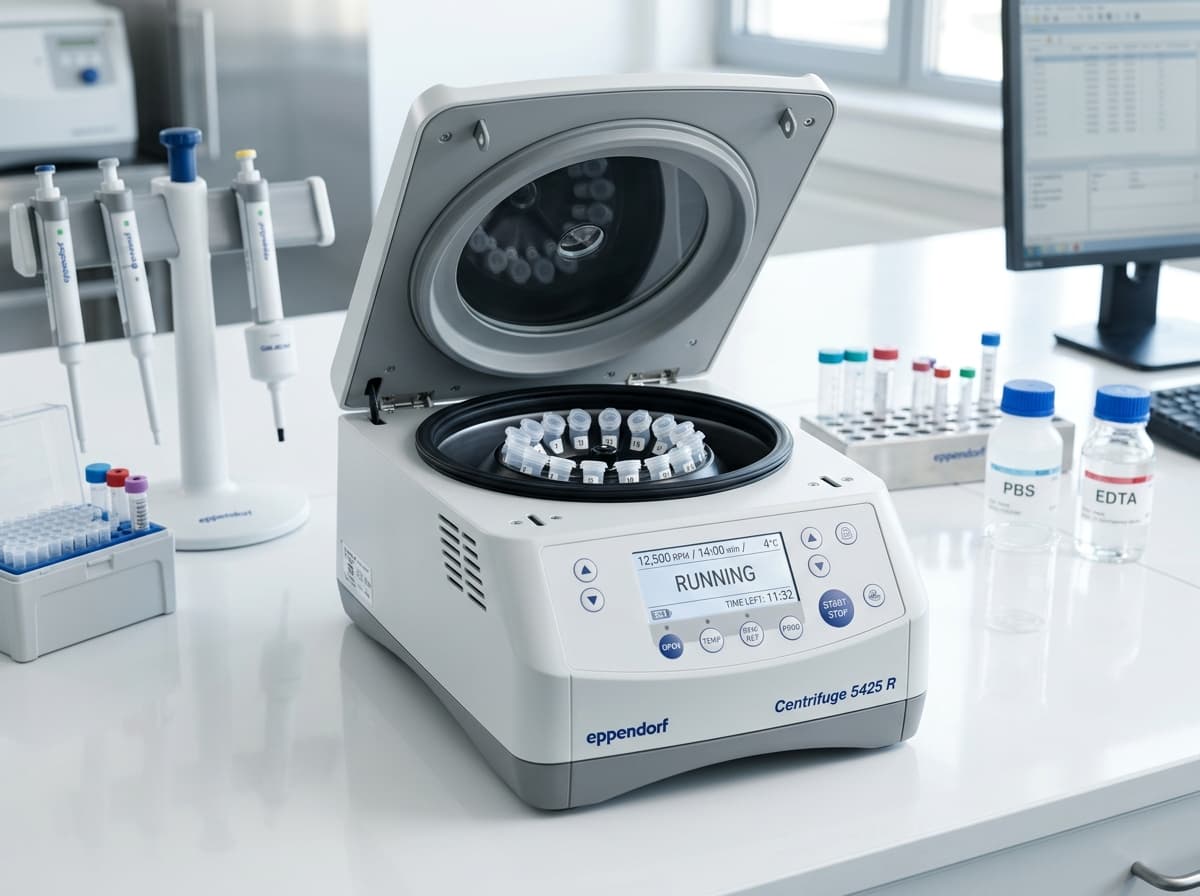
Proper medical evaluation of energy and hormone concerns is a disciplined, multi-step process. A responsible clinician does not simply look at an isolated blood test and write a prescription. Guideline-directed care follows a structured pathway designed to confirm biochemical deficiency, determine its underlying anatomical cause, rule out alternative medical conditions, and establish baseline safety parameters.
1. Clinical history and physical examination
The evaluation begins with a detailed medical interview. Your clinician will review the timeline and severity of your symptoms, your current medications (especially opioids, corticosteroids, antidepressants, and blood pressure agents), your history of recreational or performance-enhancing drug use, and your family history of cardiovascular disease or prostate cancer. Crucially, they will assess your reproductive plans—specifically whether you wish to father biological children in the near term or future.
A thorough physical examination evaluates body mass index (BMI) and waist circumference, blood pressure, the presence of male breast tissue (differentiating true glandular gynecomastia from pseudogynecomastia caused by excess fat), body hair distribution, and a testicular examination to assess testicular volume, consistency, and the presence of varicoceles or masses.
2. The laboratory testing protocol
Laboratory evaluation must adhere to strict clinical standards to avoid false-positive or false-negative results. The core components of a comprehensive hormone workup include:
- 1Strict Early-Morning Fasting Total Testosterone: Testosterone exhibits a pronounced circadian rhythm in adult men, peaking between 7:00 AM and 10:00 AM and declining significantly throughout the afternoon. Furthermore, acute ingestion of glucose or carbohydrates transiently suppresses serum testosterone concentrations by up to 25%. Blood must be drawn between 7:00 AM and 10:00 AM following an overnight fast of 8 to 12 hours. The gold standard analytical method is liquid chromatography-tandem mass spectrometry (LC-MS/MS).
- 2Confirmatory Second Morning Blood Draw: A single low reading never establishes a clinical diagnosis. Biological day-to-day fluctuation, acute psychological stress, poor sleep the previous night, or mild viral illness can temporarily depress testosterone. AUA Statement 2 requires a repeat fasting morning blood draw on a separate calendar day, ideally using the same laboratory and assay, before diagnosing hypogonadism.
- 3Free Testosterone and Sex Hormone-Binding Globulin (SHBG): Approximately 60% of circulating testosterone is bound tightly to SHBG, roughly 38% is bound weakly to albumin, and only 1% to 2% circulates unbound as 'free' testosterone. In men with obesity, type 2 diabetes, or advanced age, SHBG concentrations often drop significantly. In such men, total testosterone may appear low while biologically active free testosterone remains entirely normal. Free testosterone must be quantified via equilibrium dialysis (the gold standard) or calculated using validated formulas.
- 4Pituitary Gonadotropins (LH and FSH): Measuring luteinizing hormone and follicle-stimulating hormone is mandatory to distinguish the anatomical origin of deficiency. High LH and FSH indicate primary hypogonadism (testicular failure—the brain is shouting, but the testes cannot hear). Low or inappropriately normal LH and FSH indicate secondary hypogonadism (hypothalamic-pituitary signaling suppression—the testes are capable, but the brain is not signaling them).
- 5Serum Prolactin: If LH levels are low or low-normal, checking serum prolactin is required (AUA Statements 7–8). Hyperprolactinemia suppresses hypothalamic GnRH pulsatility and can signal a prolactin-secreting pituitary microadenoma or macroadenoma, which requires brain MRI and endocrine management.
- 6Baseline Safety and Organ Markers: Prior to any hormone intervention, clinicians must evaluate complete blood count (baseline hematocrit; levels above 50% require caution), prostate-specific antigen (PSA) in men over age 40 or over 35 with family history of prostate cancer, serum estradiol (sensitive LC-MS), and comprehensive metabolic/lipid panels.
Testosterone replacement therapy (TRT): educational overview
When a licensed physician confirms that a patient meets diagnostic criteria—exhibiting consistent clinical symptoms alongside at least two separate morning fasting total testosterone levels below 300 ng/dL—and underlying reversible causes have been addressed, testosterone replacement therapy (TRT) may be considered. In the United States, all testosterone formulations are classified under federal law as DEA Schedule III controlled substances, requiring a valid prescription, specialized pharmacy dispensing, and ongoing medical oversight.
The clinical objective of TRT is therapeutic restoration: returning circulating androgen levels to the middle tertile of the physiologic reference range (typically 450 to 600 ng/dL per AUA Statement 22) to resolve clinical symptoms. It is not designed to elevate hormones to supraphysiologic or athletic enhancement levels. For an in-depth clinical review of protocols, see our guide on understanding testosterone replacement therapy (TRT). TRT is available in several FDA-approved delivery formulations:
| Formulation | Route & Frequency | Clinical Advantages | Practical Considerations & Drawbacks |
|---|---|---|---|
| Injectable Esters (Cypionate / Enanthate) | Intramuscular or subcutaneous injection every 7 to 14 days (or split twice-weekly) | Highly cost-effective generic availability; predictable serum levels; zero risk of skin transference to women or children. | Requires self-injection or frequent clinic visits; potential 'peak-and-trough' symptom swings if dosed biweekly; higher rate of elevated hematocrit. |
| Topical Gels & Solutions (e.g., AndroGel) | Applied daily each morning to clean, dry skin (shoulders, upper arms, or thighs) | Non-invasive (no needles); mimics natural diurnal circadian rhythm; steady daily blood levels without injection peaks. | Daily application required; variable skin absorption; black box warning for secondary contact transference to female partners and children (AUA 26). |
| Transdermal Patches (Androderm) | Applied nightly to back, abdomen, thighs, or upper arms | Steady 24-hour continuous delivery; non-transferable once covered by clothing. | High incidence of localized skin irritation, contact dermatitis, and blistering (up to 30–50% of users); frequently discontinued due to rash. |
| Oral Testosterone Undecanoate (Jatenzo, Tlando, Kyzatrex) | Twice daily with meals (intestinal lymphatic absorption) | Convenient needle-free oral capsule; avoids the liver toxicity of obsolete 17-alpha alkylated androgens. | High out-of-pocket cost; frequent insurance prior authorization hurdles; must be taken twice daily with dietary fat; carries boxed warnings for blood pressure increases. |
| Subcutaneous Pellets (Testopel) | Implanted surgically under local anesthesia into gluteal tissue every 3 to 6 months | Ultra-convenient 'set-and-forget' schedule; provides stable hormone release for multiple months. | Requires in-office minor surgical procedure; risk of pellet extrusion (popping out), incision site infection, or hematoma; dose cannot be rapidly discontinued if adverse effects arise. |
| Long-Acting Injectable (Aveed) | Intramuscular injection at initiation, 4 weeks, then every 10 weeks | Only 5 clinical administrations per year; stable long-term pharmacokinetic plateau. | Administered exclusively in a clinical setting; high cost; subject to FDA REMS program with boxed warning for pulmonary oil microembolism (POME) requiring 30-minute clinic observation. |
Monitoring, safety, and realistic timelines
Starting TRT is the beginning of a medical management relationship, not the end. Statement 29 and Statement 30 of the AUA guideline direct clinicians to conduct follow-up assessments within 3 to 6 months of initiating or modifying therapy, followed by routine monitoring every 6 to 12 months once stable levels are achieved. Routine follow-up includes:
- Serum Total and Free Testosterone: Ensuring levels fall within the middle tertile of the reference range (450–600 ng/dL) while avoiding excessive troughs or supraphysiologic peaks.
- Hematocrit and Complete Blood Count: Monitoring for secondary erythrocytosis (elevated red blood cell percentage). If hematocrit exceeds 54%, the risk of blood hyperviscosity and vascular events increases, requiring dose adjustment, formulation rotation, or therapeutic phlebotomy.
- Prostate-Specific Antigen (PSA) and Digital Rectal Exam: Monitoring prostate health. While AUA Statement 17 confirms there is no evidence linking TRT to de novo prostate cancer development, preexisting androgen-sensitive prostate cells can proliferate under therapy. A confirmed PSA rise >1.4 ng/mL over 12 months warrants urological clearance.
- Blood Pressure and Cardiovascular Status: Monitoring for new or worsening hypertension in alignment with February 2025 FDA class-wide labeling updates.
- Symptom Review and Treatment Exit Protocol: Evaluating whether presenting symptoms have genuinely improved. AUA Statement 31 explicitly advises that if a patient's testosterone levels are normalized into the therapeutic range but they experience no meaningful clinical improvement after 3 to 6 months, therapy should be re-evaluated and potentially stopped, as the symptoms are driven by another etiology.
Realistic timelines are essential: improvements in sexual desire and morning erections typically emerge within 3 to 6 weeks. Changes in body composition, lean muscle mass, and depressive symptoms require 12 to 24 weeks of consistent therapy combined with progressive training and nutrition. Bone mineral density improvements take 6 to 12 months. TRT does not produce overnight transformations.
Hormone Optimization and Hair Follicles: A common concern among men initiating TRT is whether exogenous testosterone will accelerate male pattern hair thinning. Because testosterone is enzymatically converted into dihydrotestosterone (DHT) by 5-alpha reductase in the scalp, men with an underlying genetic predisposition to androgenetic alopecia may notice accelerated shedding or miniaturization. For evidence-based prevention and management strategies, explore our guide on hair loss in men: causes, evaluation, and restoration options.
Beyond testosterone: other hormone and energy factors
In clinical practice, one of the most common pitfalls in men's health is treating testosterone as the sole determinant of vitality. When a man feels exhausted, fatigued, and physically drained, his symptoms are often driven or compounded by non-androgen physiological dysfunctions that require targeted medical attention:
Thyroid dysfunction and subclinical hypothyroidism
The thyroid gland produces thyroxine (T4) and triiodothyronine (T3), which regulate the basal metabolic rate, oxygen consumption, and cellular ATP turnover in every cell in the body. Primary or subclinical hypothyroidism (elevated TSH with low or low-normal free T4) produces symptoms that virtually mirror hypogonadism: profound physical fatigue, weight gain, cold intolerance, dry skin, constipation, depression, and cognitive slowing. Furthermore, hypothyroidism directly alters sex hormone-binding globulin (SHBG) synthesis in the liver, secondarily altering circulating free testosterone concentrations. Screening TSH and free T4 is an indispensable step in any fatigue workup.
Obstructive sleep apnea and sleep fragmentation
Related reading
Want a quicker read on next steps?
If this topic feels relevant, a short informational assessment can help you organize questions for a licensed clinician. It takes a few minutes, covers TRT, and is not a diagnosis.
Obstructive sleep apnea (OSA) is one of the most pervasive, underdiagnosed drivers of male fatigue. Characterized by repeated upper airway collapse during sleep, OSA causes intermittent nocturnal hypoxemia (oxygen desaturations) and recurrent autonomic micro-arousals that fragment restorative sleep. Men with untreated OSA wake up exhausted regardless of hours spent in bed. Critically, nocturnal hypoxemia and sleep disruption directly blunt the pulsatile secretion of GnRH and LH, frequently causing secondary hypogonadism. Treating OSA with continuous positive airway pressure (CPAP) therapy restores sleep architecture, eliminates daytime somnolence, and can partially restore endogenous testosterone production.
Metabolic health, insulin resistance, and visceral adiposity
Metabolic syndrome and insulin resistance directly degrade daily energy through multiple mechanisms. When cells become resistant to insulin, glucose uptake into skeletal muscle is impaired, leading to fluctuating blood sugar levels, reactive postprandial hypoglycemia, and afternoon energy crashes. Furthermore, excess visceral abdominal fat tissue contains high concentrations of the aromatase enzyme, which converts circulating testosterone into estradiol. Elevated estradiol exerts negative feedback on the pituitary gland, suppressing LH output and lowering testosterone production in a vicious metabolic cycle. Addressing metabolic health through dietary optimization or medical weight loss and GLP-1 medications is often essential to reducing aromatase activity, lowering visceral fat, and restoring sustained vitality.
Chronic allostatic stress, the HPA axis, and cortisol
Under acute stress, the hypothalamic-pituitary-adrenal (HPA) axis releases cortisol and catecholamines to mobilize glucose and heighten alertness. However, when stress becomes chronic—driven by unrelenting workplace demands, sleep deprivation, or psychological strain—sustained elevation of cortisol disrupts sleep architecture, promotes central visceral fat deposition, accelerates muscle catabolism, and directly suppresses hypothalamic GnRH release. Chronic allostatic load produces subjective 'burnout' that no amount of exogenous androgen therapy can resolve without lifestyle and nervous system recovery.
Questions worth asking a licensed provider
Navigating a medical consultation about energy and hormones requires active partnership. Entering your appointment with clear, structured questions ensures that your evaluation is rigorous, objective, and individualized. Consider bringing the following checklist to your visit:
- On Diagnostic Standards: 'My total testosterone was measured at [X] ng/dL. Because guidelines recommend confirming deficiency on at least two separate fasting morning draws, when should we schedule the second confirmatory test?'
- On Timing and Fasting: 'Was this blood draw completed between 7:00 AM and 10:00 AM while fasting, and should we evaluate free testosterone and SHBG to account for my metabolic baseline?'
- On Root Cause Investigation: 'Are my pituitary hormones (LH, FSH, and prolactin) elevated, suppressed, or normal? What does that tell us about whether this is a testicular issue or a signaling issue from the brain?'
- On Non-Hormone Contributors: 'Have we thoroughly evaluated other potential drivers of my fatigue, such as my thyroid panel (TSH, free T4), vitamin D, ferritin, iron stores, or screening for sleep apnea?'
- On Fertility Preservation: 'I want to preserve my ability to have biological children in the future. How would exogenous testosterone impact my sperm count, and should we explore fertility-friendly alternatives like hCG, clomiphene, or lifestyle interventions first?'
- On Formulation Pros and Cons: 'If treatment is medically indicated, what are the practical differences, out-of-pocket costs, and side-effect profiles between generic injections, daily topical gels, oral undecanoate capsules, and pellets?' For an itemized breakdown of medication, lab, and clinic fees, read our comprehensive analysis on how much TRT and men's health care cost.
- On Monitoring Schedules: 'What is your exact protocol for ongoing monitoring? How often will we check my hematocrit, PSA, blood pressure, and hormone levels during the first year of therapy?'
- On Treatment Exit Strategy: 'If my lab values normalize into the therapeutic range but my fatigue and motivation do not meaningfully improve after three to six months, what is our protocol for re-evaluating or tapering off therapy?'
Deciding Between Telehealth and In-Person Clinics: When scheduling an endocrine evaluation, men can choose between virtual hormone platforms and local brick-and-mortar urology or men's health practices. Review the diagnostic differences, physical exam requirements, and regulatory frameworks in our guide on online vs. local men's health clinics.
Realistic expectations and lifestyle foundations
One of the most pervasive myths in commercial men's health is that hormone therapy acts as an effortless, standalone solution for vitality. Men frequently expect that normalizing their testosterone will instantly eliminate fatigue, melt away body fat, build chiseled muscle, and restore boundless drive without requiring changes in daily behavior. In clinical medicine, the reality is far more grounded: hormones act as biological multipliers, not independent replacements for foundational physiological habits.
If a man initiates testosterone therapy while continuing to sleep five hours a night, consuming an ultra-processed inflammatory diet, drinking heavily on weekends, and remaining physically sedentary, his clinical response will be blunted, and his risk of adverse effects (such as elevated hematocrit and worsened sleep apnea) will be magnified. Conversely, when hormone balance is paired with evidence-based lifestyle foundations, the synergy produces profound, lasting vitality:
- Prioritizing Restorative Sleep: Aiming for 7 to 9 hours of uninterrupted sleep in a dark, cool room. Maintaining consistent sleep and wake times reinforces the natural circadian rhythm that coordinates nocturnal hormone synthesis, cellular DNA repair, and brain glymphatic waste clearance.
- Progressive Resistance Training: Engaging in heavy, multi-joint compound resistance exercises (squats, deadlifts, presses, rows) two to four times weekly. Resistance training stimulates muscle protein synthesis, enhances androgen receptor density in skeletal muscle, and promotes metabolic glucose disposal.
- Metabolic Nutrition and Protein Adequacy: Consuming adequate high-quality dietary protein (1.6 to 2.2 grams per kilogram of body weight) alongside micronutrient-dense whole foods, colorful vegetables, healthy fats (monounsaturated fats and omega-3 fatty acids), and complex carbohydrates to support cellular energy and thyroid conversion.
- Moderating Alcohol and Eliminating Tobacco: Alcohol exerts direct toxic oxidative effects on testicular Leydig cells, disrupts REM sleep architecture, and impairs hepatic estrogen clearance. Eliminating smoking and heavy alcohol consumption significantly enhances cardiovascular perfusion and hormone balance.
- Active Stress Management and Nervous System Recovery: Implementing intentional parasympathetic recovery practices—such as deliberate breathing protocols, outdoor physical activity, mindfulness, and healthy professional boundaries—to prevent chronic cortisol elevation from eroding metabolic health.
Common misconceptions about men's hormones
Navigating men's health requires dispelling common misconceptions perpetuated by commercial advertising and social media discussions:
Misconception 1: 'My doctor said my level is 305, so I am completely fine'
Standard laboratory reference ranges for total testosterone (typically ~300 to 1,000 ng/dL) are derived from statistical distributions across broad population samples, often including older men and individuals with varying degrees of metabolic disease. While a total testosterone level of 305 ng/dL is technically above the formal diagnostic cutoff of 300 ng/dL, an arbitrary single number must not override a comprehensive clinical picture. A clinician should evaluate whether sex hormone-binding globulin is elevated, quantify free testosterone, and evaluate whether symptoms are severe enough to warrant further diagnostic investigation.
Misconception 2: 'Every man over 40 has low testosterone because of aging'
While epidemiological studies observe a modest population-level decline in average testosterone concentrations of approximately 1% per year after age 30, much of this observed decline is driven by the progressive accumulation of chronic health conditions—such as visceral obesity, physical inactivity, type 2 diabetes, and medication side effects—rather than an inevitable consequence of chronological aging. Longitudinal studies demonstrate that healthy older men who maintain lean body mass, exercise regularly, and avoid chronic metabolic illness frequently sustain robust testosterone levels well into their seventies and eighties.
Misconception 3: 'If I try TRT once, my body will never produce testosterone again'
Exogenous testosterone suppresses the hypothalamic-pituitary-gonadal (HPG) axis during therapy, and stopping treatment abruptly can result in a temporary hypogonadal 'crash' as the body restarts endogenous signaling. However, under medical supervision, post-treatment recovery protocols utilizing selective estrogen receptor modulators (SERMs like clomiphene) or hCG can stimulate the pituitary and testes, allowing natural hormone synthesis to resume over several weeks to months in men with intact baseline testicular capacity. While TRT should never be initiated lightly, short-term medically supervised trials do not permanently destroy an otherwise healthy endocrine axis.
Conclusion: making an informed decision
Persistent fatigue, diminished motivation, brain fog, and shifting body composition are significant symptoms that deserve thorough, compassionate medical investigation. In men's health, addressing energy and hormone concerns requires moving past quick fixes and embracing an evidence-led clinical process: conducting comprehensive symptom reviews, obtaining repeated early-morning fasting blood tests, ruling out alternative metabolic and sleep disorders, and choosing an individualized treatment strategy tailored to your personal health, safety, and reproductive goals.
Whether your optimal path involves targeted lifestyle and sleep interventions, metabolic optimization, fertility-preserving therapies, or medically monitored testosterone replacement, partnering with a knowledgeable, licensed healthcare professional is the single most important step you can take. When you are ready to begin, browse men's health clinics by city in the Novalyte directory to discover qualified providers, or complete our short self-guided assessment to prepare your questions ahead of your clinical consultation.
Frequently asked questions
How is low testosterone clinically diagnosed?
Clinical practice guidelines from the American Urological Association (AUA) and the Endocrine Society require both characteristic clinical symptoms (such as low libido, reduced morning erections, fatigue, or muscle loss) combined with at least two separate early-morning fasting total testosterone blood tests below 300 ng/dL drawn on different calendar days. An isolated low blood test without symptoms or drawn in the afternoon cannot establish a clinical diagnosis.
Can low testosterone cause fatigue without low libido?
Yes, although it is less clinically typical. While sexual symptoms (diminished libido and loss of morning erections) carry the highest diagnostic specificity for testosterone deficiency, some men experience predominantly physical fatigue, depressed mood, and muscle loss. However, when fatigue occurs with completely normal sexual function, clinicians must thoroughly investigate alternative causes such as sleep apnea, thyroid disease, iron deficiency, or clinical depression.
Why must testosterone be tested early in the morning?
In healthy adult men, testosterone follows a circadian diurnal rhythm, peaking in the early morning between 7:00 AM and 10:00 AM and dropping by 20% to 30% by mid-afternoon. Drawing blood in the afternoon can yield falsely low numbers that lead to misdiagnosis. Furthermore, food intake (especially carbohydrates) temporarily blunts testosterone by up to 25%, making an overnight fast mandatory for diagnostic accuracy.
How does sleep apnea affect testosterone levels and energy?
Peak testosterone synthesis occurs during undisturbed, slow-wave and REM sleep cycles. Obstructive sleep apnea (OSA) causes repeated upper airway collapse, nocturnal oxygen desaturations, and frequent micro-arousals that fragment restorative sleep. This directly suppresses hypothalamic-pituitary signaling, lowering testosterone production while causing severe daytime somnolence. Treating OSA with CPAP therapy restores sleep continuity, resolves daytime exhaustion, and can elevate endogenous testosterone.
How long does it take for hormone therapy to improve energy?
Physiological responses occur gradually over several weeks to months. Enhancements in sexual desire and morning erections typically emerge within 3 to 6 weeks of establishing therapeutic blood levels. Changes in body composition, lean muscle mass, physical stamina, and depressive symptoms typically require 12 to 24 weeks. If symptoms fail to improve after 3 to 6 months of normalized blood levels (450–600 ng/dL), guidelines recommend evaluating other medical causes.
Will testosterone therapy cure burnout or clinical depression?
Not necessarily. While testosterone replacement therapy may modestly improve depressive symptoms in men with documented biochemical hypogonadism (AUA Statement 14), AUA Statement 15 cautions that evidence is inconclusive regarding whether TRT resolves generalized fatigue or quality of life in men whose symptoms stem from work burnout, chronic lifestyle stress, or primary major depressive disorder. Comprehensive psychiatric or lifestyle care must be addressed concurrently.
Will TRT shut down my natural fertility?
Yes. Exogenous testosterone replacement therapy shuts down the pituitary hormones (LH and FSH) responsible for driving natural intratesticular testosterone and sperm production. Within 8 to 12 weeks of initiating TRT, most men experience profound drops in sperm count, often resulting in complete azoospermia (zero sperm). Men actively trying to conceive must not start TRT and should discuss fertility-preserving alternatives like hCG or SERMs with a specialist.
Can lifestyle changes naturally raise testosterone levels?
Yes, particularly in men with secondary functional hypogonadism driven by metabolic obesity or sedentary lifestyle. Achieving clinically meaningful weight loss (reducing visceral fat lowers the aromatase enzyme that converts testosterone into estrogen), treating sleep apnea, performing consistent resistance training, and moderating heavy alcohol use can meaningfully raise endogenous testosterone concentrations in many men without requiring lifelong prescription medication.
What ongoing monitoring is required on TRT?
Clinical guidelines mandate measuring total and free testosterone at 3 to 6 months after starting therapy, and every 6 to 12 months thereafter once stable levels are achieved. Routine monitoring also includes complete blood counts to screen for elevated hematocrit (polycythemia; risk threshold >54%), prostate-specific antigen (PSA) in men over age 40, periodic blood pressure measurements, and ongoing clinical symptom assessments.
What is the difference between total and free testosterone?
Total testosterone measures all testosterone circulating in the bloodstream, approximately 98% of which is bound to proteins (tightly to sex hormone-binding globulin [SHBG] and weakly to albumin). Free testosterone measures the 1% to 2% of unbound hormone that is biologically active and able to enter target cells to bind androgen receptors. In men with low SHBG caused by obesity or metabolic disease, total testosterone may appear low even when free testosterone is entirely normal.
Read next
Low Testosterone Treatment: Symptoms, Testing, and Every Option Explained
How low testosterone is confirmed and treated: testing steps, TRT forms, fertility-friendly alternatives, realistic benefits, risks, and 2026 FDA updates.
Frequently asked questions
Sources and references
Listed for general reference. Always consult the original sources for current clinical guidance; guidelines and safety communications are updated periodically.
- 1Evaluation and Management of Testosterone DeficiencyAmerican Urological Association (Mulhall JP, et al., J Urol 2018; validity confirmed 2024)
- 2Testosterone Therapy in Men with Hypogonadism: An Endocrine Society Clinical Practice GuidelineEndocrine Society (Bhasin S, et al., J Clin Endocrinol Metab 2018;103(5):1715–1744)
- 3Effects of Testosterone Treatment in Older Men (The Testosterone Trials)New England Journal of Medicine (Snyder PJ, et al., N Engl J Med 2016;374(7):611–624)
- 4Cardiovascular Safety of Testosterone-Replacement Therapy (TRAVERSE Trial)New England Journal of Medicine (Lincoff AM, et al., N Engl J Med 2023;389:107–117)
- 5Obstructive Sleep Apnea and the Male Endocrine SystemSleep Medicine Reviews (Luboshitzky R, et al., Sleep Med Rev 2019;44:68–78)
- 6Thyroid Hormone Action on Androgen Dynamics and MetabolismFrontiers in Endocrinology (Brenta G, et al., Front Endocrinol 2021;12:654321)
- 7Testosterone, Dopamine, and Goal-Directed MotivationHormones and Behavior (Wood RI, et al., Horm Behav 2020;124:104782)
- 8Testosterone Replacement Therapy and Spermatogenesis in Reproductive Age MenNature Reviews Urology (Nat Rev Urol 2025;22:115–128)
- 9FDA Issues Class-Wide Labeling Changes for Testosterone ProductsU.S. Food and Drug Administration (Feb 28, 2025)
- 10Could You Have Low Testosterone?National Library of Medicine / MedlinePlus (Reviewed Apr 24, 2025)
- 11DEA Controlled Substance Schedules (Schedule III Androgens)U.S. Drug Enforcement Administration Diversion Control Division
The Novalyte Editorial Team researches and writes clinically grounded, evidence-led educational guides on men's endocrine health, diagnostic testing, and healthcare navigation.
Get the Novalyte Journal in your inbox
Educational articles on men's health treatments, clinic operations, and workforce trends. No spam, unsubscribe anytime.
Want a quicker read on next steps?
If this topic feels relevant, a short informational assessment can help you organize questions for a licensed clinician. It takes a few minutes, covers TRT, and is not a diagnosis.
Explore testosterone-replacement-therapy clinics
Browse the Novalyte directory of verified men's health clinics by location, specialty, and telehealth availability.