Tired, low libido, less drive. In an era filled with wellness marketing and podcast endorsements, it is tempting to blame testosterone for every subtle change in energy, mood, or physical performance. Sometimes that suspicion is correct. But symptoms alone cannot diagnose low testosterone, and the best treatment for low testosterone depends on the root cause and your personal goals, including whether you want children.
Low testosterone treatment is not a one-size-fits-all prescription. A single low lab number does not automatically require lifetime hormone replacement, and starting medication without identifying the underlying mechanism can overlook serious pituitary or metabolic disorders. In this guide, you will learn how low testosterone is properly confirmed, what can cause it, every major treatment option (with and without testosterone), what benefits and risks the evidence supports, and how to choose a path with a clinician. For pricing and insurance details, read how much TRT costs; to compare virtual and in-person care, see online vs. in-person TRT care; and for foundational concepts, review our TRT basics.
Skimming? If this topic feels relevant, a short informational assessment can help you organize questions for a licensed clinician. It takes a few minutes, covers TRT, and is not a diagnosis. Start the short assessment →
What counts as 'low testosterone'?
Clinicians diagnose testosterone deficiency (hypogonadism) when consistently low blood testosterone occurs together with symptoms and signs (AUA Statement 3; Endocrine Society 1.1). An incidental low number in an asymptomatic man does not justify treatment, nor do vague symptoms when circulating hormone levels are normal.
The AUA defines testosterone deficiency as a total testosterone concentration below 300 ng/dL (nanograms per deciliter), based on at least two early-morning measurements obtained on separate occasions, preferably using the same accredited laboratory and assay (AUA Statements 1–2). Testosterone exhibits a circadian rhythm, peaking between 7:00 AM and 10:00 AM in healthy adult men. Afternoon draws or testing during acute illness can yield falsely low numbers that lead to misdiagnosis.
The Endocrine Society similarly recommends fasting morning total testosterone with an accurate assay (such as liquid chromatography-tandem mass spectrometry). In men whose total testosterone is borderline (near 250–350 ng/dL) or whose sex hormone-binding globulin (SHBG) is altered by obesity, diabetes, or aging, free testosterone should be measured via equilibrium dialysis or calculated. Because only free and albumin-bound testosterone are biologically active, measuring free hormone avoids misdiagnosing men with low total testosterone caused solely by depressed SHBG.
| Hypogonadism Category | Site of Defect | LH & FSH Profile | Examples of Causes | Treatment Implications |
|---|---|---|---|---|
| Primary Hypogonadism (Hypergonadotropic) | Testes (Leydig cell failure) | Elevated LH and FSH | Klinefelter syndrome (47,XXY), mumps orchitis, trauma, chemo/radiation | Testes cannot respond to upstream stimulation. Testicular stimulants will fail; TRT is the primary medical pathway. |
| Secondary Hypogonadism (Hypogonadotropic) | Hypothalamus / Pituitary (signaling failure) | Low or inappropriately normal LH and FSH | Pituitary microadenoma, hyperprolactinemia, obesity, opioids, steroids | Testes retain hormonal capacity. Candidates for fertility-preserving therapies (hCG, SERMs) or TRT. |
| Age-Related or Idiopathic Hypogonadism | Mixed / Multifactorial | Variable LH/FSH (often low-normal) | Aging, metabolic syndrome, visceral adiposity, sleep apnea | Evolving regulatory status; candidates for lifestyle interventions, TRT, or stimulation depending on goals. |
A widespread misconception is that because average testosterone levels decline modestly across populations with age, every older man inevitably develops hypogonadism. While population averages decrease, healthy older men who maintain normal weight, exercise, and avoid chronic disease often sustain normal testosterone levels well into their seventies and eighties. Age alone is not an automatic indication for hormone replacement.
Symptoms and signs that may point to low T
Because androgen receptors exist throughout the body, testosterone deficiency affects multiple organ systems. However, clinicians divide potential indicators into more specific signs that strongly suggest androgen deficiency, and nonspecific symptoms that commonly stem from other medical issues.
More suggestive symptoms and signs
The Endocrine Society and AUA highlight specific signs that carry high diagnostic specificity for testosterone deficiency:
- Markedly reduced sex drive (libido) and sexual thoughts compared to personal baseline.
- Fewer spontaneous, early-morning and nocturnal penile erections.
- Development of male breast tenderness or glandular enlargement (gynecomastia).
- Loss of body hair (facial, axillary, or pubic) and reduced shaving frequency.
- Very small or shrinking testes (testicular volume under 4 mL or longitudinal length under 2.5 cm).
- Unexplained low bone mineral density (osteopenia/osteoporosis) or low-trauma fragility fractures.
- Unexplained hot flashes or sweats, similar to menopausal vasomotor symptoms.
Less specific symptoms
Many men seek testing due to broad constitutional complaints. While common in hypogonadism, these lack diagnostic specificity:
- Persistent fatigue, low physical energy, and afternoon stamina crashes.
- Depressed mood, low motivation, irritability, and diminished self-confidence.
- Impaired concentration, memory lapses, and subjective brain fog.
- Reduced lean muscle mass and decline in physical strength despite exercise.
- Increased visceral abdominal fat and difficulty losing weight.
- Poor sleep quality and nighttime awakenings.
These nonspecific symptoms frequently overlap with clinical depression, obstructive sleep apnea, hypothyroidism, anemia, and chronic stress. For an in-depth clinical analysis of dopamine pathways, adrenal fatigue, and androgen bioenergetics, explore our comprehensive guide on energy, motivation, and male hormones, alongside our analysis of low T, ED, fatigue and weight gain.
When testing may be recommended even without classic symptoms
AUA Statement 4 recommends evaluating testosterone in men with specific underlying clinical conditions regardless of whether they report sexual dysfunction:
- Unexplained normochromic, normocytic anemia (testosterone stimulates renal erythropoietin).
- Documented bone mineral density loss or osteopenia.
- Poorly controlled type 2 diabetes or metabolic syndrome.
- History of gonadotoxic chemotherapy or testicular radiation exposure.
- HIV/AIDS with associated weight or muscle loss.
- Chronic prescription opioid use (opioids suppress hypothalamic GnRH).
- Workup for male partner infertility.
- Suspected or diagnosed pituitary masses or hypothalamic disorders.
- Chronic systemic corticosteroid therapy.
What causes low testosterone, including reversible factors
Testosterone production is governed by the hypothalamic-pituitary-gonadal (HPG) axis. The hypothalamus secretes gonadotropin-releasing hormone (GnRH), prompting the anterior pituitary to release luteinizing hormone (LH) and follicle-stimulating hormone (FSH). LH stimulates testicular Leydig cells to produce testosterone, while FSH drives sperm production in Sertoli cells. Disruptions anywhere in this feedback loop cause deficiency.
- Testicular Causes (Primary): Permanent cellular injury from Klinefelter syndrome, mumps orchitis, trauma, surgical removal, chemotherapy, or radiation. In primary hypogonadism, the testes cannot regenerate endocrine function, and stimulation therapies will fail.
- Pituitary / Hypothalamic Causes (Secondary): Prolactin-secreting pituitary adenomas, hemochromatosis, or sellar tumors. AUA Statements 6–8 mandate measuring LH and prolactin to rule out intracranial disease when secondary hypogonadism is found.
- Potentially Modifiable Contributors: Obesity (visceral fat contains aromatase, which converts testosterone to estradiol, suppressing LH), poorly controlled type 2 diabetes, obstructive sleep apnea (OSA), chronic opioid therapy, high-dose glucocorticoids, heavy alcohol use, and acute or chronic systemic illness.
- Anabolic Steroid History: Prior use of supraphysiologic doses of testosterone, nandrolone, or SARMs suppresses pituitary signaling, often causing long-lasting secondary hypogonadism.
The Endocrine Society emphasizes conducting an evaluation to identify underlying causes before initiating hormone therapy. In functional secondary hypogonadism, treating reversible contributors—such as achieving weight loss or treating sleep apnea—may raise testosterone in some men without requiring lifetime medication. To explore non-hormonal metabolic interventions that down-regulate aromatase and restore endogenous testosterone synthesis, read our clinical breakdown of medical weight loss and GLP-1 medications for men.
How low T is tested, step by step
Diagnosing testosterone deficiency requires a disciplined sequence of laboratory evaluations. Bypassing these steps risks misdiagnosis and inappropriate treatment:
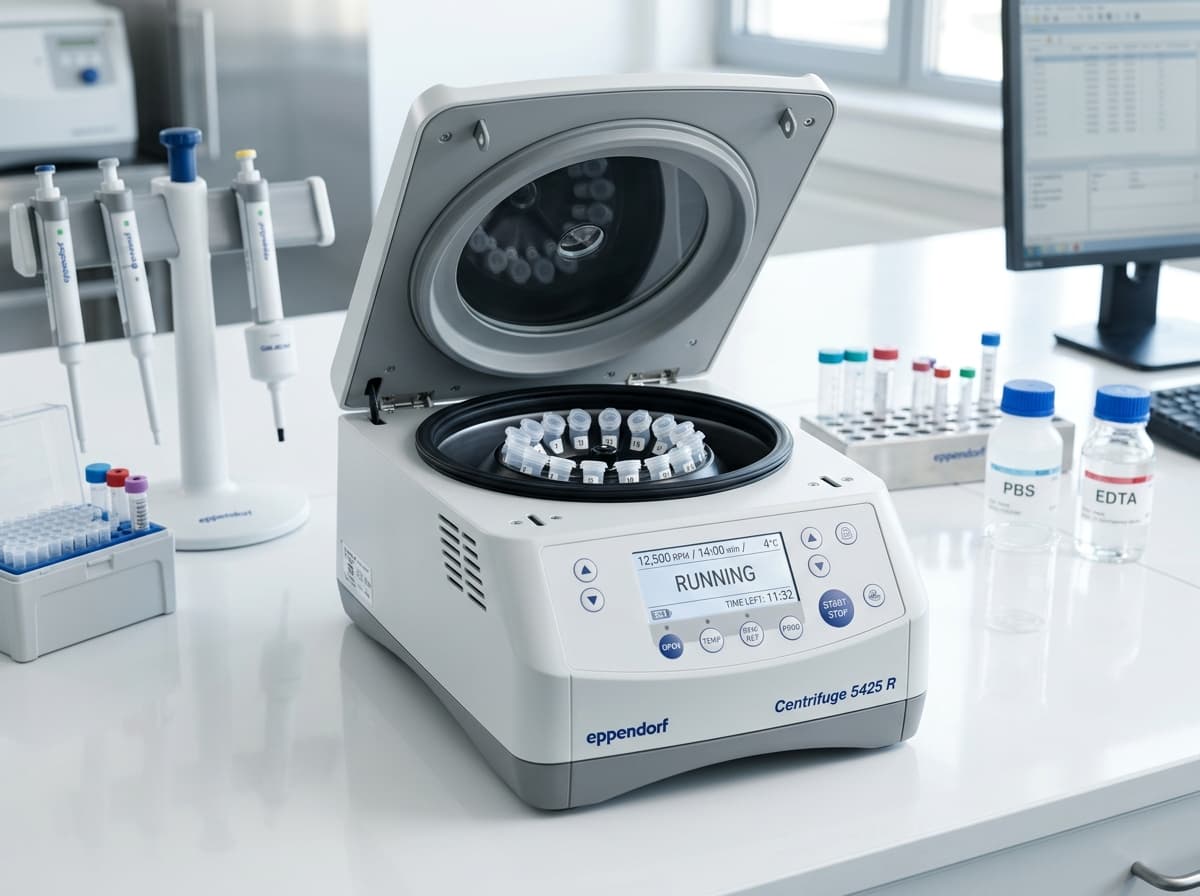
- 1Initial Morning Fasting Blood Draw: Serum total testosterone drawn between 7:00 AM and 10:00 AM (per MedlinePlus and AUA recommendations) after an overnight fast. Eating carbohydrates transiently suppresses testosterone by up to 25%, causing false-low results.
- 2Second Confirmatory Blood Draw: If the initial draw is below 300 ng/dL, a repeat morning fasting test on a separate day is required to confirm persistent deficiency (AUA Statement 2).
- 3Free Testosterone / SHBG: Ordered when total testosterone is borderline (250–350 ng/dL) or when conditions altering SHBG (obesity, diabetes, liver disease) are present. Equilibrium dialysis is the gold standard assay.
- 4LH and FSH: Measured to distinguish primary testicular failure (elevated LH/FSH) from secondary pituitary/hypothalamic suppression (low or normal LH/FSH; AUA Statement 6).
- 5Serum Prolactin: Checked if LH is low or low-normal. Persistent hyperprolactinemia requires pituitary MRI evaluation to exclude prolactinoma (AUA Statements 7–8).
- 6Pre-Treatment Safety Labs: Complete blood count to establish baseline hematocrit (AUA Statement 11), PSA in men over age 40 or over 35 with family history (AUA Statement 12), and serum estradiol if breast symptoms exist (AUA Statement 9).
At-home testosterone tests: what to know
Direct-to-consumer at-home test kits using fingerstick capillary blood or saliva offer privacy and convenience. However, saliva testing is not recommended for clinical diagnosis. Fingerstick capillary samples are vulnerable to collection errors, hemolysis, and variable accuracy. Results require clinician interpretation and must be verified with an in-person, venous blood draw before any prescription therapy can be initiated. [DATA NEEDED: peer-reviewed comparative accuracy of capillary vs. venous testosterone testing in clinical cohorts].
Understanding your laboratory results
In the United States, total testosterone is reported in nanograms per deciliter (ng/dL), while international labs often use nanomoles per liter (nmol/L; 1 nmol/L ≈ 28.8 ng/dL). Free testosterone is typically reported in picograms per milliliter (pg/mL). Healthy young male reference ranges generally span 300 to 1,000 ng/dL.
| Diagnostic Test | Why It Is Ordered | When in Testing Sequence | Reference / Normal Context |
|---|---|---|---|
| Total Testosterone (LC-MS/MS) | Measures all circulating testosterone (bound and unbound). | Initial screen; confirmed on second morning draw. | 300–1,000 ng/dL (deficiency: <300 ng/dL on two morning draws). |
| Free Testosterone | Measures biologically active hormone unbound to SHBG. | When total T is borderline (250–350 ng/dL) or SHBG is altered. | 50–210 pg/mL (varies by reference laboratory). |
| Sex Hormone-Binding Globulin (SHBG) | Carrier protein binding roughly 60% of circulating testosterone. | Alongside total T when free T calculation is needed. | 10–57 nmol/L (decreased in obesity; increased in aging). |
| Luteinizing Hormone (LH) | Signals testicular Leydig cells to produce testosterone. | After low T is confirmed to distinguish primary vs. secondary. | 1.8–8.6 IU/L (elevated in primary; low/normal in secondary). |
| Serum Prolactin | Screens for pituitary adenoma when LH is low. | When secondary hypogonadism is identified (AUA 7–8). | 4.0–15.2 ng/mL (elevated levels require endocrine evaluation). |
| Hematocrit (CBC) | Screens for elevated red blood cell percentage. | Baseline before treatment and during ongoing monitoring (AUA 11). | <50% at baseline (treatment contraindicated if >50%). |
| Prostate-Specific Antigen (PSA) | Screens for prostatic disease before androgen exposure. | Baseline in men aged >40, or >35 with family history (AUA 12). | <4.0 ng/mL (<3.0 ng/mL in high-risk patients). |
Low testosterone treatment options
Once deficiency is confirmed and underlying causes are evaluated, you and your clinician can select a treatment strategy. Low testosterone treatment options fall into three categories: addressing reversible underlying health factors, testosterone replacement therapy (TRT), and therapies that stimulate your body's natural production. All testosterone products are DEA Schedule III controlled substances requiring a prescription.
Option 1: Address underlying causes and health factors
In secondary hypogonadism, addressing lifestyle and metabolic factors forms the initial foundation of care. Weight reduction in men with obesity lowers aromatase activity and reduces inflammatory suppression of the testes. Treating obstructive sleep apnea with CPAP restores nocturnal oxygenation and sleep continuity. Reviewing medications with your doctor to taper chronic opioids or glucocorticoids, moderating alcohol consumption, and improving glycemic control in type 2 diabetes can all support endogenous hormone production. These steps should be pursued as part of comprehensive care, though they will not cure primary testicular failure.
Option 2: Testosterone replacement therapy (TRT)
The clinical purpose of TRT is to restore circulating testosterone to the normal range and relieve symptoms. AUA Statement 22 recommends targeting the middle tertile of the normal reference range (450–600 ng/dL), while the Endocrine Society similarly targets the mid-normal range. TRT is available in several FDA-approved delivery formulations, none of which is universally superior:
| Formulation & Route | Dosing Frequency | Practical Pros | Practical Cons | Guideline & Label Notes |
|---|---|---|---|---|
| Intramuscular / Subcutaneous Injections (Cypionate or Enanthate) | Every 7 to 14 days (or split into twice-weekly doses) | Cost-effective; predictable absorption; zero risk of skin transference. | Requires self-injection; peak-and-trough symptom swings if dosed biweekly. | DEA Schedule III. Higher rate of elevated hematocrit compared to gels. |
| Subcutaneous Autoinjector (Enanthate; Xyosted) | Once weekly self-injection | Pre-filled hidden needle autoinjector; steady weekly levels. | Expensive; insurance prior authorizations common; fixed dosing. | Boxed warning for blood pressure increases; requires regular BP checks. |
| Topical Gels & Solutions (AndroGel, Testim, Fortesta) | Once daily in the morning to shoulders or thighs | Non-invasive; steady daily levels without injection peaks. | Daily application; skin irritation; cannot swim/shower for 2–4 hours. | Black box warning for secondary transference to women or children (AUA 26). |
| Transdermal Patches (Androderm) | Applied nightly to back, abdomen, or thighs | Steady 24-hour absorption; non-transferable once covered. | High rate of localized skin contact dermatitis and blister formation. | Must rotate application sites daily; patch can detach with sweat. |
| Nasal Gel (Natesto) | Intranasally 2 to 3 times daily | Rapid nasal absorption; no transference risk; minimal hematocrit impact. | Inconvenient 2–3 times daily dosing; nasal congestion and rhinorrhea. | Contraindicated in chronic nasal conditions or recurrent nosebleeds. |
| Oral Testosterone Undecanoate (Jatenzo, Tlando, Kyzatrex) | Twice daily with meals (lymphatic absorption) | Convenient oral capsule; avoids hepatic toxicity of older alkylated forms. | Higher cost; frequent insurance denials; must take with dietary fat. | Boxed warning for blood pressure increases; routine BP monitoring required. |
| Subcutaneous Pellets (Testopel) | Implanted in gluteal tissue every 3 to 6 months | Sustained stable levels for months without daily or weekly tasks. | In-office minor surgical procedure; pellet extrusion or infection risk. | Cannot be quickly discontinued if acute complications arise. |
| Long-Acting Injectable Undecanoate (Aveed) | Initial dose, repeat at 4 weeks, then every 10 weeks | Only 5 clinic visits per year; stable long-term plateau. | Deep 4 mL intramuscular injection administered by a clinician. | FDA REMS Program with boxed warning for pulmonary oil microembolism (POME) and anaphylaxis; 30-min observation required. |
AUA Statement 25 advises clinicians against prescribing alkylated oral testosterone (such as methyltestosterone) due to severe risks of liver toxicity. Modern oral undecanoate formulations bypass the liver via the intestinal lymphatic system and do not carry this hepatotoxicity risk.
Option 3: Treatments that stimulate your own testosterone production (fertility-preserving options)
For men with secondary hypogonadism who wish to preserve fertility and sperm production, direct testosterone therapy is contraindicated. Instead, clinicians utilize medical therapies that stimulate the patient's own testes. AUA Statement 27 confirms that clinicians may use aromatase inhibitors, hCG, SERMs, or a combination in men with testosterone deficiency who desire to maintain fertility (Conditional Recommendation; Grade C Evidence).
- Human Chorionic Gonadotropin (hCG): An injectable LH analog that binds directly to Leydig cell LH receptors, stimulating natural intratesticular testosterone and maintaining spermatogenesis. Can be used alone or alongside TRT.
- Clomiphene Citrate (SERM): An oral selective estrogen receptor modulator that blocks estrogen receptors in the hypothalamus and pituitary, prompting increased release of LH and FSH. Clomiphene is FDA-approved for female ovulatory failure and is used off-label in men.
- Enclomiphene: The purified trans-isomer of clomiphene that blocks pituitary estrogen receptors without the residual estrogenic isomer (zuclomiphene). Enclomiphene is NOT FDA-approved as a finished drug product and is available in the United States primarily through licensed compounding pharmacies.
- Aromatase Inhibitors (Anastrozole): Oral medications that block the conversion of testosterone into estradiol. In men with an abnormally high estradiol-to-testosterone ratio, off-label low-dose anastrozole lowers circulating estrogen, relieving negative feedback and allowing endogenous LH and testosterone to rise.
These stimulation therapies work only when the testes possess functional Leydig cells capable of responding to LH (secondary hypogonadism). In primary testicular failure, they will not elevate hormone levels. Reviews in reproductive medicine (Nature Reviews Urology, 2025; Int J Impot Res, 2024) affirm that these options preserve sperm counts, though evidence for overall symptom relief is more modest than for TRT.
What about testosterone 'boosters,' supplements, and peptides?
Over-the-counter dietary supplements marketed as 'testosterone boosters' (containing fenugreek, Tribulus, D-aspartic acid, or ashwagandha) are not FDA-approved to treat hypogonadism. Peer-reviewed evidence supporting meaningful, sustained increases in serum testosterone is minimal, and independent testing has identified mislabeling in commercial products. While correcting documented nutritional deficiencies in zinc or vitamin D supports baseline health, supplements cannot cure organic deficiency. Similarly, peptides and selective androgen receptor modulators (SARMs) are not approved for hypogonadism, carry uncharacterized cardiovascular and liver risks, and suppress natural hormone production.
| Patient Goal | Options to Discuss with Clinician | Key Clinical Trade-Offs |
|---|---|---|
| Relieve symptoms with no near-term fertility plans | Testosterone Injections, Topical Gels, Oral TU, or Patches | Highest symptom relief; suppresses natural sperm count; requires ongoing monitoring of hematocrit, PSA, and blood pressure. |
| Preserve active fertility and sperm production | hCG injections, Clomiphene (off-label), or Enclomiphene (compounded) | Preserves spermatogenesis; effective primarily in secondary hypogonadism; symptom improvements are more modest than TRT. |
| Avoid self-injections and needles completely | Topical Gels/Solutions, Oral TU Capsules, or Transdermal Patches | Non-invasive daily use; gels carry transference risk; oral TU requires dietary fat and blood pressure monitoring. |
| Lowest out-of-pocket financial cost | Generic Testosterone Cypionate injections (self-administered) | Inexpensive ($25–$60/month cash price); requires subcutaneous or intramuscular self-injection; peak-trough swings if dosed biweekly. |
| Prefer infrequent in-office treatments | Subcutaneous Pellets (Testopel) or Long-acting Injection (Aveed) | Only 2 to 5 visits per year; pellets carry extrusion risks; Aveed requires REMS 30-min clinic observation. |
Formulation Selection and Budgeting: Medication expenses, laboratory testing fees, and clinic membership models differ drastically depending on whether care is billed through commercial health insurance or self-pay telehealth clinics. For an itemized breakdown of monthly prescriptions and lab panels, review our comprehensive pricing guide on how much TRT costs.
What benefits can you realistically expect?
Related reading
Want a quicker read on next steps?
If this topic feels relevant, a short informational assessment can help you organize questions for a licensed clinician. It takes a few minutes, covers TRT, and is not a diagnosis.
Setting evidence-based expectations is critical. Clinical guideline societies evaluate the scientific data with careful nuance rather than commercial hyperbole.
AUA Statement 14 notes that TRT may improve erectile function, low sex drive, anemia, bone mineral density, lean body mass, and depressive symptoms in men with confirmed deficiency. However, because erectile dysfunction frequently involves complex vascular, endothelial, and psychological factors beyond pure androgen levels, testosterone monotherapy alone may not fully restore erectile rigidity in men with microvascular disease. For a detailed guide on combining hormone optimization with PDE5 inhibitors, read our review of sexual health and erectile dysfunction in men: causes, evaluation, and care options. Furthermore, AUA Statement 15 explicitly notes that the evidence is INCONCLUSIVE regarding whether TRT improves cognitive function, diabetes control, generalized energy, fatigue, lipid profiles, or overall health-related quality of life. TRT is not a universal energy cure, and if fatigue is caused by sleep apnea or chronic stress, normalizing hormone levels will not resolve it.
In the landmark Testosterone Trials (TTrials; Snyder et al., NEJM 2016), 790 men aged 65 and older with low testosterone experienced modest improvements in sexual desire, erectile function, and some mood metrics, but no significant improvements in vitality or energy compared to placebo. In the TRAVERSE sexual-function substudy (Pencina et al., JCEM 2024), transdermal testosterone was evaluated for sexual activity and hypogonadal symptoms in middle-aged and older men. [VERIFY: exact quantitative domain score improvements and duration of benefit from Pencina et al. 2024 abstract before finalizing].
Improvements occur gradually over weeks to months. Enhancements in sexual desire typically begin within 3 to 6 weeks, while changes in body composition, lean muscle mass, and bone density require 3 to 12 months. AUA Statement 31 emphasizes that if testosterone levels are normalized into the therapeutic range (450–600 ng/dL) but symptoms fail to improve after 3 to 6 months, the clinician and patient should discuss stopping therapy, as the symptoms are likely driven by an alternate condition.
TRT is not an anti-aging elixir or a bodybuilding aid. It is an approved medical therapy indicated strictly for diagnosed deficiency, and supratherapeutic misuse carries substantial cardiovascular, psychiatric, and hepatic risks (FDA 2016 labeling).
Risks, side effects, and monitoring
Testosterone affects multiple physiological systems. While modern TRT is generally well-tolerated when managed according to established guidelines, it carries documented risks that require ongoing monitoring.
Common and important side effects
- Elevated Hematocrit (Polycythemia): Testosterone stimulates erythropoietin production. If hematocrit exceeds 54%, blood viscosity increases, elevating thromboembolic risk and requiring dose reduction or phlebotomy.
- Acne & Oily Skin: Increased sebum production can trigger acne across the back, chest, and face.
- Breast Tenderness or Enlargement: Peripheral aromatization into estradiol can cause nipple tenderness or gynecomastia.
- Fluid Retention: Mild sodium and water retention can occur, potentially worsening peripheral edema.
- Sleep Apnea Worsening: TRT can exacerbate untreated obstructive sleep apnea, requiring sleep evaluation.
- Testicular Atrophy & Infertility: Suppression of LH and FSH causes testicular shrinkage and suppressed sperm production.
- Scalp Hair Miniaturization: In men with a genetic predisposition to androgenetic alopecia, higher circulating testosterone leads to increased conversion to dihydrotestosterone (DHT) via 5-alpha reductase, accelerating follicular thinning. Read our clinical guide on hair loss in men: causes, evaluation, and restoration options to understand preventative options such as 5-ARIs and minoxidil.
Blood pressure and FDA class-wide labeling
In February 2025, the FDA updated class-wide labeling for all testosterone products, highlighting that testosterone can increase blood pressure. Blood pressure should be measured at baseline and monitored periodically during therapy. Oral formulations (Jatenzo, Tlando) carry boxed warnings advising against starting therapy in men with uncontrolled hypertension.
Heart health: what the TRAVERSE trial revealed
The landmark TRAVERSE trial (Lincoff et al., NEJM 2023) evaluated 5,246 men aged 45 to 80 with hypogonadism and preexisting cardiovascular disease or elevated cardiovascular risk factors. Patients were randomized to daily testosterone gel or placebo, with a mean treatment duration of 22 months. Major adverse cardiovascular events (MACE: cardiovascular death, nonfatal heart attack, or nonfatal stroke) occurred in 7.0% of the testosterone group versus 7.3% of the placebo group (hazard ratio, 0.96; 95% CI, 0.78 to 1.17), establishing non-inferiority. However, the trial observed higher rates of atrial fibrillation (3.5% vs. 2.4%), acute kidney injury (2.3% vs. 1.5%), and pulmonary embolism (0.9% vs. 0.5%). TRAVERSE provides reassuring cardiovascular safety data, but reflects transdermal gel in high-risk men over limited duration.
Bones and fractures: the TRAVERSE fracture substudy
The TRAVERSE fracture substudy (Snyder et al., NEJM 2024; PubMed 38231621) found that clinical fractures occurred in 3.50% of men receiving testosterone compared to 2.46% receiving placebo (hazard ratio, 1.43; 95% CI, 1.04 to 1.97). Testosterone should not be assumed to prevent clinical fractures.
Prostate safety and cancer risk
AUA Statement 17 states that there is no definitive evidence linking TRT to the development of prostate cancer, but PSA monitoring is advised. Because existing cancer cells are androgen-sensitive, baseline PSA screening is mandatory. In June 2026, the FDA requested that manufacturers narrow the prostate cancer contraindication to metastatic disease, though approved labels on DailyMed still reflect the 2025 version as of late 2026.
Who generally should not start TRT
Endocrine Society Section 2.2 guidelines identify conditions where initiating TRT is contraindicated:
- Men actively planning to conceive biological children in the near term.
- Known or suspected breast cancer or prostate cancer.
- A palpable, uncharacterized prostate nodule.
- PSA >4.0 ng/mL, or >3.0 ng/mL in men at high risk for prostate cancer, without urologic clearance.
- Baseline hematocrit exceeding 50%.
- Severe, untreated obstructive sleep apnea.
- Severe lower urinary tract symptoms (IPSS >19).
- Uncontrolled congestive heart failure (NYHA Class III or IV).
- Myocardial infarction or stroke within the preceding 6 months.
- Known severe thrombophilia or active venous thromboembolism.
Ongoing clinical monitoring schedule
| Clinical Marker | Recommended Frequency | Clinical Goal & Guidance Threshold |
|---|---|---|
| Total Testosterone | Initial follow-up at 3–6 months, then every 6–12 months (AUA 29, 30). | Maintain levels in middle tertile of normal reference range (450–600 ng/dL). |
| Hematocrit (CBC) | Baseline, at 3–6 months, then annually. | Detect polycythemia. If hematocrit exceeds 54%, interrupt therapy or perform phlebotomy. |
| Prostate-Specific Antigen (PSA) | Baseline, at 3–6 months, then annually in men >40 years. | Detect occult prostatic changes. A confirmed PSA increase >1.4 ng/mL over 12 months warrants urological referral. |
| Blood Pressure | At every clinical visit; periodic home self-checks. | Monitor for blood pressure increases per 2025 FDA class-wide labeling. |
| Symptoms & Treatment Goals | Every 6 to 12 months. | Re-evaluate and consider stopping therapy if symptoms do not improve after 3–6 months (AUA 31). |
What changed at the FDA in 2025–2026 (and what didn't)
The regulatory framework governing testosterone has seen major developments over the past decade. Below is a timeline of FDA actions:
| Date | Regulatory Action | Specific Action Taken | Current Status & Clinical Impact |
|---|---|---|---|
| March 2015 | FDA Drug Safety Communication | Clarified approval is for hypogonadism due to medical conditions (not aging alone); added possible CV risk language; mandated a cardiovascular outcomes trial. | Prompted the TRAVERSE cardiovascular safety trial. |
| October 2016 | FDA Class Labeling Update | Added warnings regarding abuse, dependence, and adverse psychiatric/cardiovascular effects associated with supratherapeutic and anabolic steroid use. | Reinforced Schedule III tracking and prescribing controls. |
| June 2023 | TRAVERSE Trial Publication | Published primary cardiovascular safety data in NEJM demonstrating non-inferiority for MACE. | Provided definitive prospective evidence for regulatory re-evaluation. |
| February 28, 2025 | FDA Class-Wide Labeling Changes | Removed CV boxed-warning language, added TRAVERSE data, added blood pressure warnings, and retained limitation against age-related hypogonadism. | Finalized and reflected across all approved commercial drug labels. |
| December 10, 2025 | FDA Expert Advisory Panel | Convened advisory committee on testosterone replacement therapy in men. | Reviewed evidence regarding hypogonadism classifications and clinical outcomes. |
| April 20, 2026 | Federal Register Notice (91 FR 21002) | Invited manufacturers to discuss a potential new indication for low libido associated with idiopathic hypogonadism. | An invitation to submit supplemental New Drug Applications (sNDAs)—NOT an approval. |
| June 18, 2026 | HHS / FDA Statement | FDA requested that manufacturers update labeling to remove the age-related hypogonadism limitation, narrow prostate cancer contraindication to metastatic disease, and revise BPH warnings. | REQUESTED updates: manufacturers must submit revised labeling for review. As of late 2026, approved labels on DailyMed still reflect the Feb 2025 version. |
The plain-English takeaway: While the regulatory landscape is moving toward broader recognition for idiopathic hypogonadism, formal label updates requested in June 2026 remain pending final approval as of late 2026. Careful diagnosis, repeat testing, and individualized risk assessment remain mandatory.
Where to get evaluated and treated
If your symptoms and health history suggest low testosterone, selecting the right medical care setting is your next decision. Men have several clinical pathways available:
- Primary Care Physicians (PCPs): An accessible starting point for initial morning lab draws and general health screening. Comfort levels with hormone management vary among general practitioners.
- Endocrinologists: Hormone specialists well-suited for men with pituitary disorders, complex metabolic conditions, or secondary hypogonadism requiring nuanced workups.
- Urologists: Male reproductive and urological specialists ideal for men with concurrent erectile dysfunction, BPH, elevated PSA, testicular issues, or those considering procedural options like pellets.
- Dedicated Men's Health Clinics: Practices focusing specifically on male hormone therapy and sexual medicine, offering specialized testing but often operating on a cash-pay model.
- Telehealth Hormone Platforms: Remote virtual clinics offering digital consultations, coordinated lab draws, and home medication delivery. To compare virtual versus in-person care, read our guide on online vs. in-person TRT care models and how to choose a TRT clinic.
When attending an evaluation, bring prior laboratory results, a complete medication list, and your fertility timeline. For details on out-of-pocket expenses and insurance coverage, review our guide to how much TRT costs.
Frequently asked questions
What is considered low testosterone?
The American Urological Association and Endocrine Society define low testosterone as a total testosterone concentration below 300 ng/dL confirmed on at least two separate early-morning fasting blood tests, occurring together with symptoms such as low libido, erectile dysfunction, or fatigue. A single borderline number without symptoms does not constitute a clinical diagnosis.
How do I know if my testosterone is low?
The only definitive way to know if your testosterone is low is through laboratory blood testing. While symptoms like diminished sexual desire, fewer morning erections, and chronic fatigue can suggest low testosterone, they also overlap with depression, sleep apnea, thyroid disease, and stress. A diagnosis requires two fasting morning blood draws analyzed by an accredited lab.
What is the best treatment for low testosterone?
There is no single best treatment; the optimal choice depends on the underlying cause and your reproductive goals. For men with irreversible testicular failure who do not want biological children, testosterone injections, topical gels, or oral capsules provide reliable symptom relief. For men with secondary hypogonadism who want to preserve fertility, testicular stimulants like hCG or clomiphene are preferred.
Can low testosterone be treated without testosterone?
Yes. In secondary hypogonadism—where the testes are healthy but the pituitary fails to signal them—medications such as hCG, clomiphene (off-label), enclomiphene (compounded), and aromatase inhibitors can stimulate natural production. Additionally, treating underlying conditions like obesity, sleep apnea, or tapering suppressive opioids can elevate testosterone naturally without hormone therapy.
Will TRT affect my fertility?
Yes, significantly. Exogenous testosterone suppresses pituitary LH and FSH, shutting off natural sperm production. Within two to three months of starting TRT, most men develop severe oligospermia or complete azoospermia. Men actively planning to conceive must not take TRT and should explore fertility-preserving options like hCG or SERMs instead.
How long does it take for testosterone treatment to work?
Improvements occur gradually over weeks to months. Enhancements in sexual desire and morning erections typically emerge within 3 to 6 weeks. Changes in body composition, strength, and depressive symptoms typically require 12 to 24 weeks, while bone density changes take 6 to 12 months. If symptoms do not improve after 3 to 6 months of normalized levels (450–600 ng/dL), guidelines recommend evaluating other causes.
Is TRT safe for your heart?
The TRAVERSE clinical trial (NEJM 2023) of over 5,200 hypogonadal men demonstrated that transdermal testosterone was non-inferior to placebo for major adverse cardiovascular events (heart attack, stroke, cardiovascular death). However, the trial observed small increases in atrial fibrillation, acute kidney injury, and pulmonary embolism. TRT can also elevate blood pressure, requiring regular monitoring.
Do testosterone boosters work?
Over-the-counter dietary supplement boosters are not FDA-approved to treat hypogonadism, and clinical evidence demonstrating sustained, meaningful increases in testosterone is minimal. While correcting underlying nutritional deficiencies in zinc or vitamin D supports baseline health, herbal supplements cannot replace medically supervised prescription therapy.
Did the FDA approve testosterone for age-related low T?
Not yet as of late 2026. On June 18, 2026, the FDA requested that drug manufacturers submit label updates to remove the limitation against age-related hypogonadism and narrow the prostate cancer contraindication. However, as of late 2026, approved labels on DailyMed still reflect the February 2025 version, which retains the age-related limitation while incorporating the TRAVERSE cardiovascular safety data.
Conclusion: making an informed decision
Navigating low testosterone treatment requires following a structured, evidence-led medical framework: confirm the diagnosis with two separate morning fasting blood tests below 300 ng/dL, identify the root anatomical and physiological cause, and select an individualized therapeutic path aligned with your medical safety profile and personal family planning goals.
Whether your path involves lifestyle and metabolic optimization, fertility-preserving medications, or testosterone replacement therapy, working with a qualified healthcare provider ensures that your treatment is safe, monitored, and effective. When you are ready to talk with a clinician, you can browse men's health clinics by city in the Novalyte directory or take our short self-guided assessment to organize your symptoms and questions ahead of your visit. The assessment does not diagnose. Listings may be unclaimed and are not verified or endorsed by Novalyte.

Read next
Energy, Motivation, and Hormones in Men: Understanding Low Testosterone and Related Care Options
Explore the complex connection between male fatigue, motivation, and hormones. Learn how clinical evaluation works, what TRT involves, non-androgen energy factors, and what questions to ask your doctor.
Frequently asked questions
Sources and references
Listed for general reference. Always consult the original sources for current clinical guidance; guidelines and safety communications are updated periodically.
- 1Evaluation and Management of Testosterone DeficiencyAmerican Urological Association (Mulhall JP, et al., J Urol 2018; validity confirmed 2024)
- 2Testosterone Therapy in Men with Hypogonadism: An Endocrine Society Clinical Practice GuidelineEndocrine Society (Bhasin S, et al., J Clin Endocrinol Metab 2018;103(5):1715–1744)
- 3Cardiovascular Safety of Testosterone-Replacement Therapy (TRAVERSE Trial)New England Journal of Medicine (Lincoff AM, et al., N Engl J Med 2023;389:107–117)
- 4Testosterone Treatment and Fractures in Men with HypogonadismNew England Journal of Medicine (Snyder PJ, et al., N Engl J Med 2024;390:203–211)
- 5Effect of Testosterone Replacement Therapy on Sexual Function and Hypogonadal Symptoms in Men with HypogonadismJournal of Clinical Endocrinology & Metabolism (Pencina KM, et al., J Clin Endocrinol Metab 2024;109(2):569–580)
- 6Effects of Testosterone Treatment in Older Men (The Testosterone Trials)New England Journal of Medicine (Snyder PJ, et al., N Engl J Med 2016;374(7):611–624)
- 7FDA Issues Class-Wide Labeling Changes for Testosterone ProductsU.S. Food and Drug Administration (Feb 28, 2025)
- 8FDA Requests Updates to Testosterone Therapy LabelingU.S. Department of Health and Human Services (June 18, 2026)
- 9Potential New Indication for Testosterone Replacement Therapy (Notice)Federal Register (91 FR 21002, Apr 20, 2026; Docket No. FDA-2026-N-0715)
- 10FDA Drug Safety Communication: FDA Cautions About Using Testosterone Products for Low Testosterone Due to AgingU.S. Food and Drug Administration (March 2015)
- 11FDA Statement on Testosterone and Anabolic Steroid Abuse and DependenceU.S. Food and Drug Administration (October 2016)
- 12Jatenzo, Tlando, Aveed, and AndroGel FDA Approved Prescribing InformationU.S. Food and Drug Administration / DailyMed (2025–2026)
- 13Could You Have Low Testosterone?National Library of Medicine / MedlinePlus (Reviewed Apr 24, 2025)
- 14Testosterone Replacement Therapy for Male HypogonadismAmerican Family Physician (Am Fam Physician 2024;109(6):534–542)
- 15Testosterone Replacement Therapy and Spermatogenesis in Reproductive Age MenNature Reviews Urology (Nat Rev Urol 2025;22:115–128)
- 16Diagnosis and Treatment of Hypogonadism in Men Seeking to Preserve FertilityInternational Journal of Impotence Research (Int J Impot Res 2024;36:440–449)
- 17Urology Care Foundation: Low Testosterone Patient GuideAmerican Urological Association Foundation
- 18DEA Controlled Substance Schedules (Schedule III Androgens)U.S. Drug Enforcement Administration Diversion Control Division
The Novalyte Editorial Team researches and writes clinically grounded, evidence-led guides on men's health treatments, diagnostic testing, and healthcare navigation.
Get the Novalyte Journal in your inbox
Educational articles on men's health treatments, clinic operations, and workforce trends. No spam, unsubscribe anytime.
Want a quicker read on next steps?
If this topic feels relevant, a short informational assessment can help you organize questions for a licensed clinician. It takes a few minutes, covers TRT, and is not a diagnosis.
Explore testosterone-replacement-therapy clinics
Browse the Novalyte directory of verified men's health clinics by location, specialty, and telehealth availability.