
Consider two men who receive identical lab reports confirming low total testosterone. The first man opens an app on his phone at 8:00 PM, completes a digital intake questionnaire, schedules a secure video visit with a licensed nurse practitioner for the following afternoon, and receives a thirty-day supply of generic testosterone cypionate delivered to his doorstep forty-eight hours later. The second man calls a local urology clinic, waits four weeks for an open consultation slot, sits in a waiting room, undergoes a thorough physical examination, and visits an adjacent hospital outpatient laboratory for a second confirmatory blood draw before reviewing his treatment plan in person.
Both pathways have become common throughout the United States. And contrary to simplified marketing claims online, neither care model is inherently superior, safer, or universally appropriate. An online TRT clinic can provide rigorous, guideline-concordant hormone therapy that dramatically improves a patient's energy, body composition, and metabolic health. Conversely, an in-person clinic can cut diagnostic corners or push expensive, unbundled add-on therapies without clinical justification. What dictates clinical safety and long-term success is not whether your physician sits across an exam room desk or speaks through a laptop screen; what matters is the clinical rigor, diagnostic depth, and ongoing monitoring conducted within that care relationship.
This comprehensive guide examines how online and in-person TRT care models operate in 2026. We break down the clinical standards that must remain identical across all medical settings, identify the genuine logistical and physiological differences between virtual and face-to-face care, clarify the legal status of telemedicine prescribing under federal and state law through December 31, 2026, and provide an objective decision framework to help you choose the care model that fits your medical complexity, family planning goals, budget, and daily life. For an analysis of pricing structures across both models, explore our detailed guide on what TRT really costs in 2026, and for diagnostic criteria, see how low testosterone is diagnosed. You can also explore how digital platforms are modernizing treatment delivery in our review of how men find and access specialized care online.
Skimming? If this topic feels relevant, a short informational assessment can help you organize questions for a licensed clinician. It takes a few minutes, covers TRT, and is not a diagnosis. Start the short assessment →
The quick comparison: online vs. local TRT clinics at a glance
Online TRT clinics can be convenient for straightforward cases if they require proper lab testing, a licensed prescriber and ongoing monitoring. A local clinic may be better if you need a physical exam, have complex health conditions, want to use insurance or plan to have children soon.
To understand how these care models diverge across everyday clinical practice, examine the comparison table below. It evaluates online-only telehealth platforms, traditional local practices (including primary care physicians, academic endocrinologists, urologists, and private men's health centers), and emerging hybrid programs. For a wider perspective on patient journeys, explore our Testosterone section hub and our guide to understanding testosterone replacement therapy.
| Clinical & Operational Dimension | Online-Only Telehealth Clinic | Local Clinic (PCP, Specialist, Men's Center) | Hybrid Care Model |
|---|---|---|---|
| Initial Consultation | Synchronous video call or asynchronous digital questionnaire review | Face-to-face clinical office visit with a medical provider | Initial in-person consultation followed by virtual check-ins |
| Diagnostic Laboratory Testing | Requisition sent to commercial patient service centers (Quest/Labcorp) or at-home capillary blood kits | In-office blood draw or requisition to an affiliated local diagnostic laboratory | Local venous blood draws coordinated digitally with shared clinical records |
| Physical Examination | None; relies entirely on patient self-reported history and digital photographic review | Comprehensive exam: testicular palpation, gynecomastia evaluation, blood pressure, prostate check | Annual or baseline in-person exam with local clinician; virtual interim follow-up |
| Injection Training & Administration | Video tutorials, instructional manuals, or virtual video guidance for self-injection | In-office hands-on demonstration by clinic nurse or weekly nurse-administered injections | Initial in-office injection demonstration with ongoing home self-administration |
| Prescriber Licensing | Clinician (MD, DO, NP, PA) must hold an active license in the patient's home state | Clinician holds an active medical license in the practice's home state | Local network clinician licensed in the patient's state of residence |
| Insurance Utilization | Predominantly cash-pay subscription packages; rarely bills commercial insurance directly | Frequently bills commercial insurance for visits and labs (PCP/specialists); men's clinics vary | Splits billing: insurance covers diagnostic labs and PCP exams; cash pays virtual management |
| Pricing Transparency | High; typically advertised as all-inclusive monthly or quarterly subscription packages | Variable; often unbundled fee-for-service (separate bills for consults, copays, lab fees) | Moderate; clear membership fees plus predictable third-party laboratory costs |
| Speed to Treatment | Rapid: initial evaluation and medication delivery typically accomplished in 5 to 10 days | Moderate to slow: specialist wait times range from 2 to 8 weeks depending on region | Moderate: initial local appointment followed by expedited digital medication delivery |
| Follow-Up Access | Direct patient portal messaging, asynchronous chat, and scheduled tele-visits | Scheduled clinic appointments, phone nurse lines, or local patient portals | Multi-channel access combining digital portal messaging with local in-person visits |
| Handling Abnormal Lab Results | Dose titration via telehealth; referrals to local specialists for urgent or severe complications | Direct on-site management, in-office phlebotomy for polycythemia, or immediate referral | Coordinated local clinical escalation backed by virtual record sharing |
| Regulatory Continuity (Post-2026) | Dependent on permanent DEA telemedicine rules or potential in-person referral mandates | Immune to federal telemedicine changes; fully compliant with standard in-person CSA rules | Highly resilient; established local clinician relationship satisfies in-person mandates |
Neither model represents an automatic guarantee of clinical excellence or safety. The deciding factors for any individual patient are existing health complexity, active family planning goals, insurance coverage, geographical accessibility, and personal comfort with self-directed home medical protocols. If you're interested in browsing verified clinics in your metropolitan area, explore the Novalyte men's health clinic directory.
Unsure which care pathway fits your health goals?
Take Novalyte's private, clinical questionnaire to organize your symptom timeline, understand recommended diagnostic blood tests, and prepare targeted questions for your provider.
How each care model works in practice
While both online telehealth and brick-and-mortar clinics prescribe testosterone to treat hypogonadism, the operational workflows, diagnostic touchpoints, and clinical interactions differ substantially. Understanding these mechanics helps set realistic expectations before your first appointment.
How online (telehealth) TRT typically works
The direct-to-consumer online hormone care pathway is designed to minimize administrative friction and geographic barriers. A standard patient journey involves five primary stages, mirroring advancements discussed in our analysis of the evolution of telehealth in men's specialized medicine:
- 1Digital intake and medical history: You complete an extensive online health history detailing your presenting symptoms (such as fatigue, decreased sex drive, erectile dysfunction, depressive mood, or unexplained muscle loss), personal medical history, current prescription medications, and family history of cardiovascular disease or prostate cancer. Compare these symptoms against our clinical review of energy, motivation, and male hormones and our guide to low testosterone treatment options.
- 2Diagnostic laboratory testing: The telehealth provider orders a comprehensive blood panel. Depending on the company, you either receive a requisition form to visit a local commercial Patient Service Center (such as Quest Diagnostics or Labcorp) for a venous blood draw, or you receive an at-home capillary fingerstick collection kit. Reputable services mandate that blood collection occurs in the early morning (between 7:00 AM and 10:00 AM).
- 3Clinical consultation: Once lab results populate the electronic medical record, you meet with a licensed medical provider (a medical doctor [MD], doctor of osteopathy [DO], nurse practitioner [NP], or physician assistant [PA]). Depending on state regulations, this consultation is conducted via a live synchronous two-way video call or, in certain jurisdictions, through an asynchronous clinical review. The clinician verifies symptom correlation, rules out primary contraindications, discusses treatment risks, and establishes a starting protocol.
- 4Prescription fulfillment and home delivery: If therapy is clinically indicated, the provider routes the prescription to an accredited mail-order pharmacy or a state-licensed 503A/503B compounding pharmacy. The medication (commonly testosterone cypionate vials, transdermal testosterone gel, or sublingual troches) is shipped directly to your residence along with necessary injection supplies (syringes, needles, alcohol prep pads, and sharps containers).
- 5Routine follow-up and dose titration: Reputable telehealth platforms schedule mandatory repeat blood draws at 6 to 12 weeks to assess total and free testosterone levels, estradiol, hematocrit, and organ markers, adjusting your dose as clinically warranted.
Crucially, the clinician prescribing your medication must hold an active medical license in the specific state where you are physically located at the time of the consultation. If a telehealth service attempts to prescribe controlled substances using a practitioner who is not licensed in your home state, that practice violates state medical board regulations.
How local, in-person TRT clinics typically work
Local, in-person hormone care encompasses several distinct medical practice structures. The experience and financial requirements vary significantly depending on which type of provider you consult. You can explore verified options across all practice types via the Novalyte directory:
- Primary care physicians (PCPs): Family medicine and internal medicine physicians frequently evaluate fatigue and low libido. While accessible and covered by commercial insurance, many general practitioners adhere to conservative diagnostic thresholds, may be hesitant to manage testosterone therapy, or may lack familiarity with nuanced titration and ancillary biomarker management.
- Endocrinologists: Subspecialists focused on the broader endocrine axis. Endocrinologists excel at diagnosing complex secondary hypogonadism, pituitary adenomas, thyroid dysfunction, and adrenal disorders. However, specialist wait times can span months, and their treatment protocols often prioritize conservative physiological minimums rather than symptom optimization. Learn more about primary vs. secondary hypogonadism diagnostic criteria.
- Urologists: Surgical specialists who manage the male genitourinary and reproductive tract. Urologists are the premier specialists for evaluating male hypogonadism, particularly when accompanied by erectile dysfunction, lower urinary tract symptoms, varicocele, or prostate health concerns. They are uniquely qualified to manage fertility-preserving protocols and tailored PDE5 inhibitor therapies; read our clinical guide on sexual health and erectile dysfunction in men.
- Dedicated men's health clinics: Private, community-based clinics specializing exclusively in hormone optimization, sexual health, and vitality. These clinics operate primarily on a cash-pay membership model, offering rapid appointments, in-office injection visits, and proactive symptom management, though pricing is frequently higher than insurance-covered alternatives. Review our guide on operational standards in high-performing men's clinics.
In an in-person practice, the diagnostic workflow includes a mandatory hands-on physical examination. The clinician assesses secondary sexual characteristics, palpates testicular volume and consistency, checks for varicocele (enlarged veins in the scrotum) or testicular atrophy, evaluates breast tissue for true glandular gynecomastia versus pseudogynecomastia, checks vital signs (including resting blood pressure), and performs a digital rectal examination (DRE) when clinically indicated by age or elevated prostate-specific antigen (PSA) levels.

Furthermore, in-person clinics can offer clinical modalities that are strictly impossible through telehealth. These include subcutaneous testosterone pellet implantation (such as Testopel), which requires a sterile in-office surgical procedure using a trocar to insert crystalline pellets beneath the hip skin every 3 to 6 months. Additionally, long-acting intramuscular testosterone undecanoate (Aveed) legally requires an FDA Risk Evaluation and Mitigation Strategy (REMS) certified medical facility with a mandatory 30-minute post-injection observation window due to the rare risk of pulmonary oil microembolism (POME) and severe allergic reactions. For a detailed breakdown of all administration routes, see our comparison of different testosterone delivery formulations.
The hybrid route: combining local diagnosis with digital management
Recognizing the respective strengths of both models, an increasing number of patients and forward-thinking medical practices utilize a hybrid approach. In a hybrid care model, a patient establishes their initial diagnosis and undergoes an annual physical examination with an in-person primary care physician, urologist, or men's health center. Once diagnostic safety is confirmed and baseline prostate and cardiovascular health are documented, the patient transitions routine follow-up consultations, quarterly blood test tracking, and prescription refills to a digital telehealth platform.
Conversely, some patients who begin care through an online clinic proactively establish a relationship with a local primary care doctor, sharing their electronic laboratory records and medication protocols. This ensures that if physical complications arise—such as persistent hypertension, severe erythrocytosis, or new urinary symptoms—an in-person physician is already familiar with their medical history and prepared to intervene. If you manage a medical practice exploring these care delivery workflows, learn more about our clinic onboarding and verification platform.
What should be the same no matter where you are treated
The most important concept in modern testosterone therapy is this: clinical guidelines do not change based on delivery method. A reputable medical provider must adhere to the exact same diagnostic thresholds, baseline screening protocols, and safety monitoring rules whether communicating via an encrypted video feed or across a physical examination table. If any provider—online or in person—skips these essential steps, that omission represents a clinical red flag.
The American Urological Association (AUA) and the Endocrine Society publish evidence-based clinical practice guidelines governing the evaluation and management of testosterone deficiency. The table below details the nine mandatory clinical steps, why each matters, and how each is executed across virtual versus in-person settings. Compare these against the step-by-step diagnostic criteria for hypogonadism.
| Clinical Guideline Step | Clinical Rationale & Evidence | How It Is Performed Online | How It Is Performed In Person |
|---|---|---|---|
| Two Morning Total Testosterone Tests | Mandatory for diagnosis (AUA Statements 1–3; Endocrine Society 1.1). Testosterone follows a circadian diurnal rhythm, peaking in early morning. A single low value is insufficient; two separate morning draws below ~300 ng/dL are required. | Requisition issued for fasting blood draws at Quest/Labcorp between 7:00 AM and 10:00 AM on two distinct mornings before prescribing. | Phlebotomy performed in-office or at a local affiliated lab on two separate early mornings before 10:00 AM. |
| Luteinizing Hormone (LH) Evaluation | Distinguishes primary testicular failure (high LH) from secondary hypothalamic/pituitary failure (low or low-normal LH) (AUA 6). Low LH warrants prolactin screening to rule out pituitary microadenoma (AUA 7). | Ordered on the initial baseline diagnostic blood requisition alongside total and free testosterone. | Included in the comprehensive baseline serum hormone panel evaluated by the clinician. |
| Baseline Hematocrit & Hemoglobin | Testosterone stimulates erythropoiesis (red blood cell production). Baseline hematocrit must be established (AUA 11); starting therapy with hematocrit >50% requires caution, and >54% is a strict contraindication. | Standard complete blood count (CBC) processed by an accredited commercial diagnostic lab before medication release. | In-office or reference laboratory CBC drawn during the pre-treatment diagnostic workup. |
| Prostate-Specific Antigen (PSA) Screening | Required in men aged 40 and older, or men aged 35+ with high risk / family history of prostate cancer, prior to initiating therapy (AUA 12) to screen for occult malignancy. | Serum PSA included on the diagnostic lab order for age-eligible patients; abnormal values mandate in-person urology referral. | Serum PSA drawn and correlated with a physical digital rectal examination (DRE) by the attending clinician. |
| Comprehensive Fertility Counseling | Exogenous testosterone suppresses luteinizing hormone and follicle-stimulating hormone, shutting down intratesticular testosterone and spermatogenesis, causing infertility (AUA 10, 16, 23). | Formal verbal discussion and electronic documentation; counseling on fertility-preserving alternatives (hCG, SERMs) or sperm cryopreservation. | Detailed reproductive health discussion; direct referral to reproductive endocrinology or sperm banking if family planning is desired. |
| Contraindication Screening | Treatment is contraindicated in men with active desire for near-term fertility, active prostate or breast cancer, baseline hematocrit >54%, uncontrolled severe heart failure, severe untreated sleep apnea, or recent stroke/MI (Endocrine Society 2.2). | Detailed medical history intake and clinician video review; documented patient attestation and electronic health record cross-referencing. | Clinical history, physical assessment, cardiovascular risk evaluation, and review of medical systems. |
| Physiological Mid-Normal Dosing | The objective of TRT is to restore testosterone concentrations to the normal physiological range (typically 450–750 ng/dL), avoiding supraphysiological peaks (AUA 22; Endocrine Society). | Conservative starting dose calculated based on body weight, age, and delivery method; confirmed via follow-up blood titration panels. | Individualized dose titration with follow-up trough serum levels drawn before the next scheduled administration. |
| Blood Pressure Monitoring | The FDA issued class-wide labeling changes highlighting that testosterone products can increase blood pressure, elevating cardiovascular and stroke risks. | Patient must provide verifiable home blood pressure cuff readings or pharmacy kiosk measurements during digital follow-up check-ins. | Manual or automated blood pressure measurement recorded by clinical staff at every office consultation. |
| 3–6 Month Clinical Reassessment | If serum testosterone levels normalize into the therapeutic range but the patient experiences no meaningful symptom improvement after 3 to 6 months, therapy should be stopped and alternative etiologies investigated (AUA 31). | Structured symptom assessment survey and video consultation to review therapeutic efficacy versus persistent complaints. | Follow-up office consultation comparing baseline symptom scoring against current clinical response. |
Notice that neither delivery format is exempt from these requirements. If an in-person men's clinic issues testosterone after a single late-afternoon blood test without checking your hematocrit or LH, it is practicing substandard medicine. Similarly, if an online telehealth app promises an instant prescription without requiring two separate morning blood draws, it is cutting diagnostic corners that put your cardiovascular and endocrine health at risk. For a detailed list of vetting questions, review our guide on how to choose and evaluate a TRT clinic.
Where online and local care genuinely differ
While guideline standards remain constant, the practical realities of receiving medical care through a screen versus an examination room introduce distinct operational, physiological, and logistical differences. Understanding these trade-offs allows you to select the model that aligns with your specific clinical situation.
Physical examination capabilities and limitations
The most evident distinction is the physical examination. A telehealth clinician cannot palpate your scrotum, measure testicular volume using an orchidometer, evaluate the consistency of testicular tissue to detect silent tumors, or check for a subclinical varicocele. A varicocele is an abnormal dilation of the pampiniform venous plexus that can elevate testicular temperature, suppress testosterone synthesis, and impair sperm production—a condition that an in-person urologist can physically diagnose and potentially treat without requiring lifelong hormone therapy. For more on root causes of male sexual health symptoms, see our review of erectile dysfunction, low testosterone, and cardiovascular indicators.
Furthermore, an in-person physician can physically examine chest tissue to differentiate between true glandular gynecomastia (firm, disc-shaped proliferation of glandular tissue beneath the areola caused by estrogen-androgen imbalance) and pseudogynecomastia (benign adipose tissue deposition common in overweight men). Finally, in men with abnormal PSA velocity or urinary obstruction, an in-person clinician can perform a digital rectal examination to evaluate prostate size, symmetry, and the presence of suspicious induration or nodules. Additionally, in-person providers can physically evaluate scalp hair thinning; because exogenous testosterone converts to dihydrotestosterone (DHT) and can accelerate follicle miniaturization in genetically susceptible men, early evaluation allows clinicians to recommend targeted interventions; explore our comprehensive analysis of hair loss in men: causes, evaluation, and restoration options.
Laboratory access, draw methods, and circadian timing
Both models require regular blood tests, but how those samples are collected can impact convenience and diagnostic reliability. Most reputable telehealth platforms provide digital requisitions to national commercial laboratories such as Quest Diagnostics or Labcorp. This approach leverages gold-standard venous phlebotomy while allowing you to visit any local patient service center near your home or office.
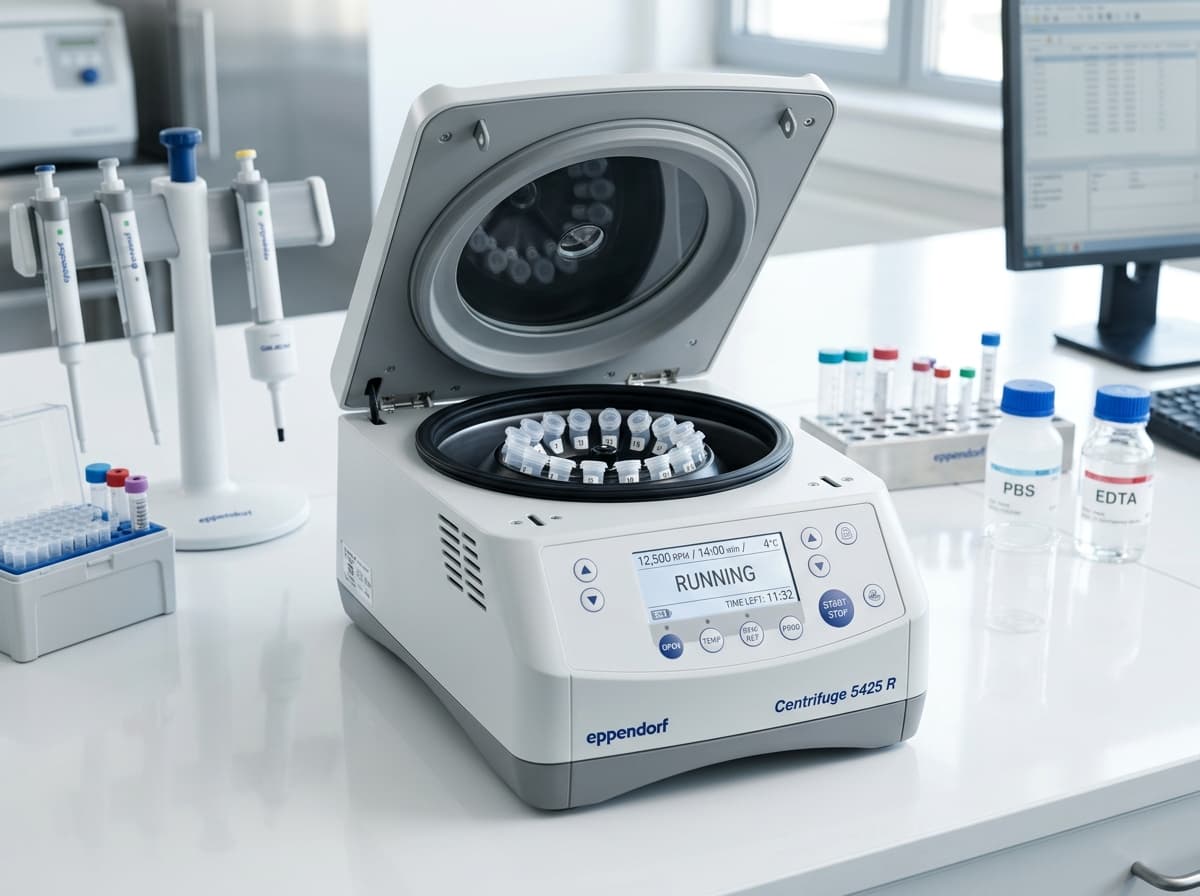
However, some direct-to-consumer services utilize at-home capillary fingerstick collection kits. While fingerstick cards offer unmatched convenience, capillary blood sampling carries higher risks of specimen hemolyzation, sample volume insufficiency, and collection-technique variability compared to standard venipuncture. Regardless of whether you use an online or local provider, timing is paramount: testosterone production follows a strict circadian rhythm, peaking in the early morning hours and declining by 20% to 40% by late afternoon in young and middle-aged men. All diagnostic blood draws must occur between 7:00 AM and 10:00 AM to ensure diagnostic validity.
Injection training, clinical procedures, and administration modalities
For men prescribed injectable testosterone cypionate or enanthate, learning proper administration technique is essential. Online clinics provide detailed video modules, diagrammatic injection guides, and virtual tele-nursing consultations to teach self-injection (typically subcutaneous injections into the abdominal wall or intramuscular injections into the ventrogluteal or deltoid muscle). For self-directed, tech-comfortable individuals, virtual training is completely adequate.

Conversely, men who experience severe needle anxiety, physical tremor, or lack confidence in drawing precise medication volumes benefit immensely from an in-person clinic. A local nurse can guide your hand through the first three injections or administer your weekly doses directly in the office. Furthermore, if you prefer non-injectable procedural formulations—such as surgically implanted subcutaneous testosterone pellets (Testopel) or long-acting testosterone undecanoate (Aveed)—an in-person clinical setting is legally and medically mandatory. Explore all available administration choices in our guide to TRT delivery methods.
Prescriber licensing and interstate controlled-substance rules
Testosterone is classified under federal law as a DEA Schedule III controlled substance due to its anabolic steroid classification and potential for dependence or misuse. As a result, the legal requirements governing its prescription are substantially more stringent than those for standard medications like statins or blood pressure drugs.
A telehealth clinician must hold an active, unrestricted medical or nursing license in the exact state where the patient physically resides at the time care is delivered. You can verify any medical doctor, doctor of osteopathy, or physician assistant's active credentials, disciplinary record, and state licenses through the Federation of State Medical Boards (FSMB) national verification portal at DocInfo.org. If an online clinic cannot tell you the full name and state license number of your treating practitioner, do not proceed with treatment.
Insurance coverage and out-of-pocket pricing structures
The financial structure of care represents one of the sharpest divisions between the two models. Most direct-to-consumer online TRT clinics operate entirely outside the commercial insurance system. They charge bundled, cash-pay subscription fees ranging from $100 to $250 per month, which typically cover ongoing clinical consultations, medication shipments, and injection supplies, with diagnostic labs either bundled or billed at a flat pre-negotiated rate ($75 to $150 per draw). Review our deep dive on hidden clinic fees and unbundled lab costs.
In-person primary care doctors, academic endocrinologists, and urologists, by contrast, frequently participate in commercial insurance networks and Medicare. If you meet your insurer's strict diagnostic criteria for hypogonadism—which typically requires two documented morning total testosterone levels below 300 ng/dL alongside specific clinical symptoms—insurance may cover your office visits, specialty copays, and retail pharmacy medication costs, often reducing monthly out-of-pocket expenses to $10 to $80 for generic injectables. However, navigating insurance requires formal prior authorizations, formulary step-therapy requirements, and deductibles. For full details on coverage rules, read how insurance coverage and prior authorizations work for TRT.
Product sourcing: commercial FDA-approved drugs vs. compounded formulations
Where your medication is manufactured matters. Traditional local physicians and specialists almost exclusively prescribe commercially manufactured, FDA-approved testosterone formulations (such as generic testosterone cypionate manufactured by Pfizer, Hikma, or Perrigo, or brand-name transdermal gels like AndroGel) dispensed through certified retail pharmacies.
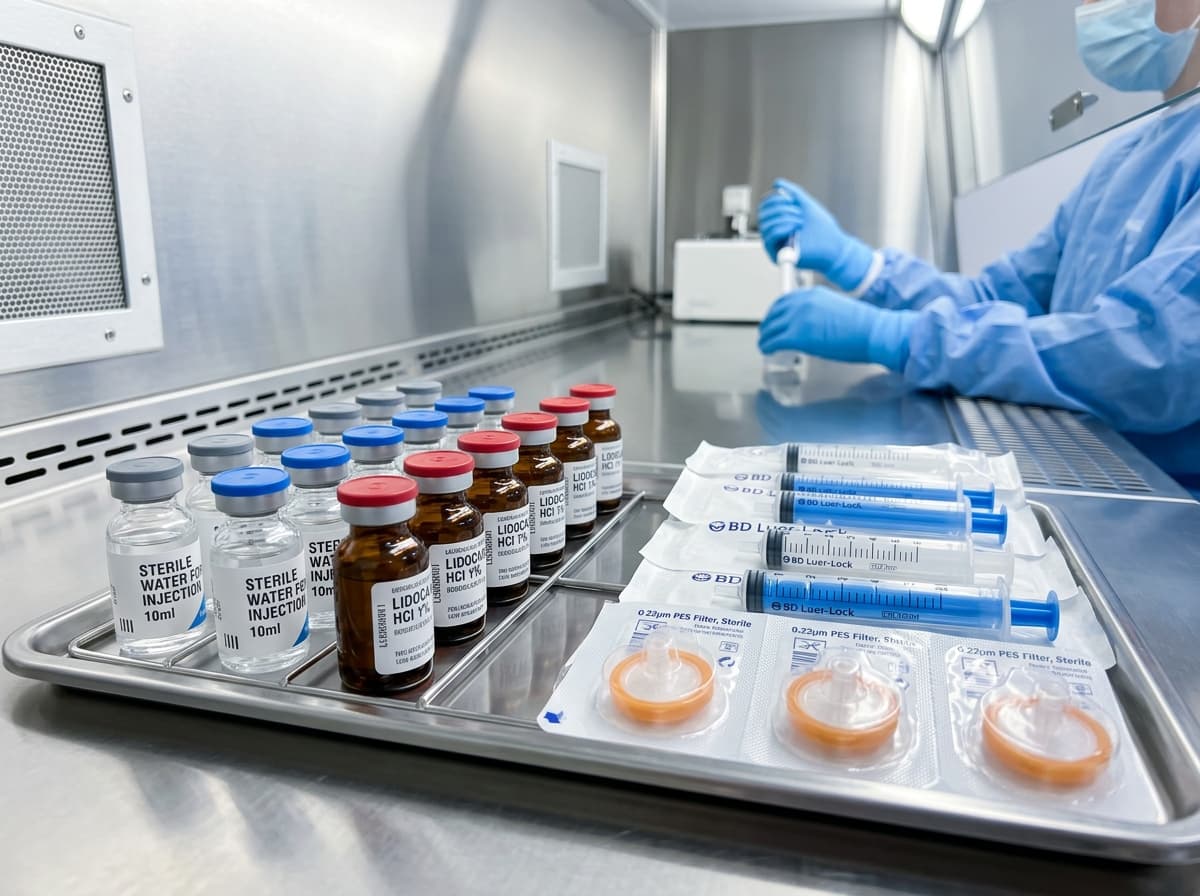
Many online TRT clinics, by contrast, partner with 503A or 503B compounding pharmacies to fulfill custom formulations. Compounded testosterone is often combined with other substances (such as transdermal creams suspended in HRT base, sublingual troches, or proprietary ester blends). While state-licensed compounding pharmacies are essential components of the medical system, compounded medications are not reviewed or approved by the FDA for safety, efficacy, or batch-to-batch bioequivalence. Furthermore, beware of platforms advertising "needle-free online TRT" that actually prescribe oral SERMs (such as clomiphene citrate or enclomiphene) or human chorionic gonadotropin (hCG)—these compounds stimulate endogenous production but are not testosterone replacement therapy. For a broader clinical analysis of experimental hormone secretagogues, explore our review of longevity medicine, peptide therapies, and hormone optimization.
Complication management, polycythemia, and emergency escalation
The primary physiological adverse effect of exogenous testosterone therapy is erythrocytosis (secondary polycythemia)—an excessive elevation in red blood cell volume. If your hematocrit climbs above 52% to 54%, your blood viscosity increases, raising the risk of hypertension, deep vein thrombosis (DVT), pulmonary embolism, and cardiovascular events. When hematocrit reaches critical thresholds, guideline-directed management requires either dose reduction or therapeutic phlebotomy (drawing a unit of whole blood to mechanically reduce red cell mass).
Related reading
Want a quicker read on next steps?
If this topic feels relevant, a short informational assessment can help you organize questions for a licensed clinician. It takes a few minutes, covers TRT, and is not a diagnosis.
An online clinic cannot perform therapeutic phlebotomy through an application. While they can lower your medication dose or order repeat labs, patients requiring phlebotomy must seek care through an in-person blood bank, local hematologist, or primary care physician. Similarly, if you experience sudden acute symptoms—such as unilateral lower leg swelling, acute chest tightness, or severe shortness of breath—these require immediate emergency medical care regardless of which model manages your routine hormone refills.
Medical records accessibility and long-term care continuity
Receiving care online requires proactive record management. You should always maintain a dedicated digital and printed folder containing your baseline lab panels, follow-up blood test reports, clinical consultation notes, and current prescription formulations. If you ever relocate, change providers, or transition to a local doctor, having complete objective records prevents you from having to restart diagnostic testing from scratch.
Is online TRT legal? Federal DEA regulations and what changes after December 31, 2026
A frequent question among prospective patients is whether obtaining a controlled substance prescription online without a face-to-face doctor visit is lawful. The answer is yes, under current federal policy—but that framework is governed by temporary regulatory extensions that carry specific expiration dates.
To understand why the rules for testosterone differ from ordinary telehealth prescriptions, consider the federal legal framework:
- 1Schedule III classification: Testosterone and all synthetic anabolic steroids are classified as Schedule III controlled substances under Title 21 of the United States Code (Controlled Substances Act), administered by the U.S. Drug Enforcement Administration (DEA).
- 2The Ryan Haight Act of 2008: Enacted to curb rogue online pill mills, the Ryan Haight Online Pharmacy Consumer Protection Act amended federal law to require that no controlled substance may be lawfully dispensed by means of the internet without a valid prescription, and a valid prescription generally requires at least one in-person medical evaluation of the patient by the prescribing practitioner.
- 3Temporary pandemic flexibilities: During the COVID-19 public health emergency, the DEA and the Department of Health and Human Services (HHS) enacted temporary regulatory exceptions under 21 U.S.C. 802(54)(D), allowing DEA-registered practitioners to prescribe Schedule II through V controlled substances via telemedicine without conducting a prior in-person examination, provided the prescription is issued for a legitimate medical purpose in the usual course of professional practice.
- 4The Fourth Temporary Extension through December 31, 2026: Recognizing that millions of Americans rely on established telemedicine care pathways, the DEA and HHS jointly issued the "Fourth Temporary Extension of COVID-19 Telemedicine Flexibilities for Prescription of Controlled Medications," published in the Federal Register on December 31, 2025 (HHS Press Release, January 2, 2026). This order officially extends full telemedicine prescribing flexibilities through December 31, 2026.
- 5The Proposed Special Registration Rule: On January 17, 2025, the DEA published a proposed rule in the Federal Register titled "Special Registrations for Telemedicine and Limited State Telemedicine Registrations." This proposed rule outlined a permanent statutory framework under which clinicians could obtain specialized federal registrations to prescribe controlled substances via telehealth without an in-person visit. However, as of October 9, 2026, this rule has not been finalized or implemented as a permanent regulation.
Furthermore, federal DEA flexibilities set the baseline; state medical boards retain the sovereign authority to enforce stricter telemedicine rules within their borders. Certain states mandate that initial controlled substance consultations occur via live two-way synchronous video rather than asynchronous questionnaires, while others require periodic physical evaluations. Reputable telehealth practices comply with both federal DEA statutes and each state's medical practice act.
To protect the continuity of your healthcare regardless of how federal regulations evolve after December 31, 2026, take these four practical steps:
- Keep personal copies of every lab result: Download PDF copies of all baseline and follow-up blood work directly from Quest, Labcorp, or your patient portal. Never rely solely on an app to store your clinical history.
- Verify your prescriber's credentials: Confirm that your treating clinician is fully licensed in your state using the FSMB DocInfo directory, and document their full name and NPI number.
- Ask your telehealth provider about their post-2026 continuity plan: Reputable online clinics have already developed contingency plans, such as partnering with regional in-person physician networks to conduct physical bridge exams if federal mandates change.
- Maintain a relationship with a local primary care doctor: Having an established local medical provider who is aware of your hormone therapy ensures you have an uninterrupted bridge to in-person care if telemedicine rules are modified.
Who online TRT fits, who should start in person, and the decision tree
Choosing between an online TRT clinic and an in-person medical practice is not a question of which care model is universally superior; it is a question of clinical suitability. Certain patient profiles are exceptionally well suited for virtual care, while others require the diagnostic depth of an in-person specialist.
Online TRT may be a reasonable fit if...
- Your clinical diagnosis is clear and uncomplicated: You present with hallmark symptoms of hypogonadism, your medical history is devoid of complex cardiovascular or endocrine comorbidities, and your hormone deficiency is objectively confirmed by two separate morning blood tests.
- You have no immediate family planning goals: You have completed your family or have no desire to father children in the near term, meaning the suppressive impact of exogenous testosterone on spermatogenesis is clinically acceptable.
- You have no major clinical contraindications: Your baseline hematocrit is normal (<50%), your PSA is well within normal limits (<4.0 ng/mL or age-appropriate threshold), you have no history of prostate cancer, breast cancer, or venous thromboembolism, and you do not have untreated severe sleep apnea or heart failure.
- You are comfortable with self-administration: You are confident in self-administering subcutaneous or intramuscular injections at home, or prefer applying daily transdermal gels.
- You face geographic or scheduling constraints: You live in a rural area with limited access to urologists or endocrinologists, or your professional schedule makes recurring daytime clinic visits impractical.
- You prioritize transparent, predictable cash pricing: You prefer a straightforward, all-inclusive monthly subscription over navigating variable insurance copays, deductibles, and unexpected facility fees.
Consider starting with an in-person clinician if...
- You desire children in the near future or wish to preserve fertility: Exogenous testosterone profoundly shuts down sperm production. Men who wish to father children should be evaluated in person by a urologist specializing in male reproductive medicine to discuss fertility-preserving alternatives, such as human chorionic gonadotropin (hCG), selective estrogen receptor modulators (clomiphene citrate or enclomiphene), or sperm cryopreservation (AUA Statements 10, 16, 23).
- You have abnormal or complex baseline laboratory findings: An unusually elevated hematocrit (>50%), elevated PSA for your age, or profoundly suppressed total testosterone (<150 ng/dL) accompanied by low LH and elevated prolactin warrants an in-person workup to rule out a pituitary prolactinoma, hemochromatosis, or occult malignancy.
- You have a history of significant cardiovascular or oncological disease: A history of myocardial infarction or stroke within the past 3 to 6 months (AUA Statement 24) or 6 months (Endocrine Society Guideline 2.2), active venous thromboembolism, decompensated heart failure (NYHA Class III/IV), or any personal history of prostate or male breast cancer requires specialized in-person multidisciplinary management.
- You suffer from untreated severe sleep apnea or severe urinary obstruction: Untreated obstructive sleep apnea can worsen under testosterone therapy, and severe lower urinary tract symptoms (IPSS score >19) require physical urological evaluation.
- You are managing significant metabolic comorbidities or obesity: Severe visceral obesity and insulin resistance strongly alter sex-hormone-binding globulin (SHBG) and aromatase activity; exploring comprehensive metabolic programs alongside or prior to hormone therapy—such as medical weight loss, GLP-1 medications, and body composition optimization—often yields superior long-term outcomes.
- You are taking complex medications that suppress testosterone: Chronic high-dose opioid therapy or systemic glucocorticoids suppress the hypothalamic-pituitary-gonadal axis; treating the underlying cause or modifying medications may restore endogenous production without lifelong TRT.
- You want to utilize commercial insurance or Medicare: In-person primary care providers and academic specialists are far more likely to successfully submit prior authorization documentation and bill your insurance network.
- You are a young man under 25 or have delayed pubertal development: Younger men require comprehensive genetic and endocrine evaluation by a pediatric or adult endocrinologist rather than empirical hormone replacement.
Care Model Decision Tree (Interactive Text Flowchart)
Use the structured decision framework below to evaluate your clinical profile step-by-step:
Cost differences between online and local TRT clinics
Financial predictability varies sharply between virtual and physical healthcare settings. While online telehealth clinics are frequently perceived as the cheaper option, that assumption is not universally true when all clinical elements are factored into a complete twelve-month budget.
Online TRT clinics typically utilize a bundled membership model. Published 2026 industry guides (such as TRT Atlas) document that direct-to-consumer platforms generally charge between $100 and $250 per month. This fee typically bundles ongoing clinician access, digital messaging, routine testosterone shipments, and injection supplies. However, initial diagnostic blood tests ($100 to $200) and specialized shipping fees are frequently billed separately. If you pay $150 per month plus $250 in annual lab testing, your first-year out-of-pocket investment totals approximately $2,050. Review our detailed analysis of how much TRT costs per month without insurance.
Local specialty clinics and primary care practices, on the other hand, operate on an unbundled, fee-for-service model. If your provider participates in your commercial insurance plan and your prior authorization is approved, your ongoing medication copay for generic injectable testosterone cypionate filled at a retail pharmacy often ranges from $10 to $80 per month (TRT Atlas) or $10 to $50 per month (TRT Navigator). However, your initial physician evaluation ($150 to $350) and comprehensive diagnostic laboratory panels ($300 to $800 billed rate) are subject to your annual deductible and specialist copays.
Private, cash-pay men's health clinics represent the higher end of the pricing spectrum, frequently charging $150 to $400+ per month. While these clinics offer premium concierge amenities, on-site nursing injections, and rapid follow-ups, their annual cost often exceeds $2,500 to $4,500. For an exhaustive breakdown of insurance authorization rules, formulation cost comparisons, and first-year budgeting worksheets, read our companion guide on what TRT really costs in 2026.
Red flags to avoid in both online and local clinics
Substandard clinical practice can occur in a multi-million-dollar suburban medical pavilion just as easily as on a slick telehealth smartphone app. Regardless of where you seek care, protect your health by watching for these critical red flags:
- Prescribing testosterone before obtaining two separate morning blood tests: The AUA and Endocrine Society guidelines strictly mandate two early-morning total testosterone tests drawn on separate days. Any clinic that prescribes after a single blood test—or draws blood in the afternoon when levels naturally trough—is violating clinical safety standards.
- Advertising "guaranteed approval" or "same-day prescriptions": Legitimate medicine cannot guarantee a prescription before evaluating your laboratory data and medical history. Guaranteed approval indicates a commercial sales operation rather than a medical practice.
- No named prescriber or prescribing across state lines without a license: You have the right to know the full name, medical credentials, and state license number of the clinician treating you. If a telehealth company refuses to disclose your provider's identity, or assigns a clinician not licensed in your state, walk away.
- No plan for ongoing hematocrit, PSA, and blood pressure monitoring: TRT requires mandatory surveillance of erythrocytosis, prostate markers, and cardiovascular vitals. A provider who ships refills indefinitely without requiring periodic blood work every 6 to 12 months puts you at risk of stroke or undiagnosed disease.
- Never asking about your fertility desires: Exogenous testosterone is a potent contraceptive that shuts down sperm production. Any clinic that fails to inquire about your family planning goals before initiating therapy is practicing reckless medicine.
- Mandatory universal add-on bundles for every patient: If a clinic automatically adds aromatase inhibitors (anastrozole) to every patient's regimen without documenting elevated estradiol or symptoms, or mandates expensive growth hormone secretagogues and "fat burner" peptides, they are prioritizing retail margins over individualized medicine.
- High-pressure sales tactics and locked-in long-term contracts: Be wary of sales representatives pressuring you to sign non-refundable 12-month financing agreements or pay thousands upfront before you have even consulted a physician.
- Sensationalist "anti-aging" or bodybuilding marketing: Testosterone is an FDA-approved medication for hypogonadism, not a fountain-of-youth lifestyle drug. Claims promising to "turn back the clock twenty years," "melt belly fat effortlessly," or optimize you beyond normal physiological ranges represent predatory marketing.
- Refusing to provide copies of your laboratory records: Under federal HIPAA regulations, you are legally entitled to complete copies of all your medical records and diagnostic laboratory reports.
- Selling testosterone without a prescription: Testosterone is a federal Schedule III controlled substance. Any website or entity offering to sell or ship testosterone without a valid physician's prescription is engaged in illegal drug distribution.
For a structured checklist of specific questions to ask clinic staff during your initial consultation, see our guide on vetting and choosing a TRT clinic.
How to switch between online and local care safely
Patients frequently transition between care models. You may begin therapy through an online telehealth service to bypass regional specialist waitlists, and later decide to transfer care to a local in-network urologist to utilize insurance. Alternatively, you might relocate, lose access to your local clinic, and transition to a virtual platform.
Transferring care requires a structured, safe clinical transition:
- 1Never discontinue testosterone therapy abruptly: Abrupt cessation of exogenous testosterone triggers a profound hypogonadal crash. Because exogenous hormones suppress your hypothalamic-pituitary-gonadal (HPG) axis, your testicles will not immediately resume endogenous production. Sudden discontinuation results in severe fatigue, mood crashes, profound loss of libido, and depression that can persist for months.
- 2Assemble your complete medical portfolio: Request full electronic copies of your baseline pre-treatment laboratory panels, all subsequent follow-up blood test reports, clinical consultation notes, and your exact current prescription details (compound name, concentration, weekly dose, and injection frequency).
- 3Schedule your intake appointment before supplies run out: Specialist appointments often carry lead times of several weeks. Schedule your transition consultation with your new provider at least 4 to 6 weeks before your current medication vial expires.
- 4Bring a comprehensive medication and supplement list: Present your new physician with an itemized list of all prescribed medications and over-the-counter supplements, including any ancillary compounds (such as hCG or anastrozole) previously prescribed.
- 5Discuss a planned HPG axis restart if discontinuing permanently: If your goal in leaving your current clinic is to stop testosterone therapy entirely, ask your physician about a structured post-therapy recovery protocol (often utilizing SERMs or hCG under medical supervision) to help stimulate natural pituitary gonadotropin secretion while monitoring your recovery.
Frequently asked questions about online vs. local TRT clinics
Here are answers to the most common clinical, operational, and legal questions prospective patients ask when evaluating online and in-person hormone care models:
Is it legal to get TRT online?
Yes. Getting testosterone replacement therapy through an online telehealth provider is legal in the United States, provided specific federal and state criteria are met. Because testosterone is a DEA Schedule III controlled substance, it is regulated under the Ryan Haight Act. Under the fourth temporary extension issued jointly by the DEA and HHS, federal flexibilities permit licensed healthcare practitioners to prescribe controlled medications via telemedicine without an in-person evaluation through December 31, 2026. The prescribing clinician must hold an active medical license in the patient's state, and care must comply with state medical board statutes.
Do I need an in-person visit to start testosterone therapy?
Under current federal rules through December 31, 2026, a face-to-face in-person physical visit is not federally required to initiate testosterone therapy through an authorized telemedicine practice, provided a licensed clinician conducts a thorough evaluation and confirms hypogonadism via compliant diagnostic laboratory testing. However, individual state laws vary, and certain state medical boards may enforce stricter requirements. Furthermore, an in-person visit is clinically strongly recommended for men with active fertility plans, complex cardiovascular disease, or unexplained baseline lab abnormalities.
Are online TRT clinics safe?
Online TRT clinics are safe when they adhere to established clinical practice guidelines. Safety depends on clinical protocols rather than physical location. A safe online clinic requires two separate early-morning diagnostic blood tests, screens for contraindications, evaluates hematocrit, PSA, and blood pressure, assigns a clinician licensed in your state, titrates doses to normal physiological ranges, and mandates regular ongoing monitoring every 6 to 12 months. Online clinics that promise instant prescriptions without thorough testing or omit monitoring are unsafe.
Is online TRT cheaper than a local clinic?
Not necessarily. Online TRT clinics typically charge bundled cash-pay subscription fees ranging from $100 to $250 per month, which is often less expensive than cash-pay private men's health clinics ($150 to $400+ per month). However, if you have comprehensive commercial insurance or Medicare, seeing an in-network local primary care doctor, endocrinologist, or urologist can result in significantly lower ongoing out-of-pocket costs ($10 to $80 per month in medication copays plus deductible fees). Total costs depend on your insurance coverage and required lab testing. For budgeting specifics, explore our guide on how much TRT costs in 2026.
Can I use insurance with an online TRT clinic?
Most direct-to-consumer online TRT platforms operate as cash-pay practices and do not directly bill commercial insurance or Medicare for monthly memberships or medications. However, many telehealth clinics allow you to use your commercial insurance for diagnostic laboratory tests drawn at external facilities like Quest Diagnostics or Labcorp. Additionally, you can typically use Health Savings Accounts (HSA) or Flexible Spending Accounts (FSA) to pay for eligible medical consults, prescription medications, and laboratory fees.
What happens to online TRT prescriptions after December 31, 2026?
The current DEA and HHS temporary telemedicine flexibilities for prescribing controlled substances expire on December 31, 2026. The DEA proposed a permanent "Special Registration for Telemedicine" rule in January 2025, but as of October 2026, a final permanent rule has not been published. If federal regulators do not establish a permanent framework or issue another extension, patients receiving controlled substance prescriptions entirely online may be required to undergo at least one in-person medical evaluation to maintain their refills. Maintaining personal copies of your medical records and identifying a local clinician ensures continuity of care.
Should I see a urologist or endocrinologist instead of a TRT clinic?
Consulting a board-certified urologist or endocrinologist is strongly recommended if you have complex medical conditions, active family planning goals, symptoms suggestive of a pituitary disorder (such as severe hypogonadism with low LH and elevated prolactin), prior history of prostate or cardiovascular disease, or if you want to use commercial insurance. Dedicated TRT clinics offer streamlined convenience and scheduling speed for straightforward cases, but medical specialists provide deeper diagnostic expertise for multi-system or high-risk health concerns. Search qualified specialists in your area using the Novalyte directory.
Can I switch from an online TRT provider to a local doctor?
Yes. You can transition your care from an online provider to a local physician at any time. To ensure a seamless transition without medication interruptions, request full copies of your baseline diagnostic labs, follow-up blood test records, and clinical treatment notes from your telehealth provider. Schedule an appointment with your local doctor several weeks before your current medication runs out, and bring your complete medical records and prescription details to your visit.
Conclusion: matching the care model to your health and life
When deciding between an online TRT clinic and a local brick-and-mortar medical practice, remember that clinical excellence is defined by diagnostic rigor, guideline compliance, and continuous monitoring—not by physical geography. An online telehealth provider that strictly enforces two morning blood tests, screens for contraindications, and monitors your hematocrit, PSA, and blood pressure can deliver outstanding, safe medical care. Equally, an in-person urologist or endocrinologist provides indispensable hands-on diagnostic value for men with complex medical histories, fertility goals, or specific insurance requirements.
Evaluate your personal health complexity, discuss family planning goals openly, establish a continuity plan for your medical records, and never settle for any provider that cuts diagnostic corners or compromises your long-term health. For additional educational guides across men's health, visit the Novalyte Journal or explore our Testosterone clinical section.
Explore local care options or organize your questions
If you are exploring care pathways, the Novalyte men's health clinic directory allows you to search local urologists, endocrinologists, and hormone practices across the United States. Please note: clinic listings in our directory may be unclaimed and are not verified, endorsed, or affiliated with Novalyte. We recommend using our structured clinic evaluation checklist to verify medical licenses, laboratory protocols, and transparent pricing directly with any practice. You can also complete Novalyte's private informational assessment to organize your symptom timeline and clinical questions before your consultation.
Read next
How Much Does TRT Cost in 2026? Prices, Insurance, and What You'll Actually Pay
What TRT really costs in 2026: medication, labs, visits and add-ons, with and without insurance. Learn how to read a quote, avoid hidden fees, and build a first-year budget.
Frequently asked questions
Sources and references
Listed for general reference. Always consult the original sources for current clinical guidance; guidelines and safety communications are updated periodically.
- 1HHS & DEA Extend Telemedicine Flexibilities for Prescribing Controlled Medications Through 2026U.S. Department of Health and Human Services (Jan 2, 2026)
- 2Fourth Temporary Extension of COVID-19 Telemedicine Flexibilities for Prescription of Controlled MedicationsFederal Register (Dec 31, 2025; 90 FR 84123)
- 3Special Registrations for Telemedicine and Limited State Telemedicine Registrations (Proposed Rule)Federal Register (Jan 17, 2025; 90 FR 3412)
- 4Controlled Substance Schedules (DEA Schedule III Anabolic Steroids)U.S. Drug Enforcement Administration (DEA) Diversion Control Division
- 5Evaluation and Management of Testosterone Deficiency: AUA GuidelineAmerican Urological Association (Mulhall et al., 2018; confirmed 2024)
- 6Testosterone Therapy in Men With Hypogonadism: Clinical Practice GuidelineEndocrine Society (Bhasin et al., JCEM 2018;103(5):1715–1744)
- 7FDA Issues Class-Wide Labeling Changes for Testosterone ProductsU.S. Food and Drug Administration (Feb 28, 2025)
- 8FDA Requests Updates to Testosterone Therapy LabelingU.S. Department of Health and Human Services (June 18, 2026)
- 9Aveed (Testosterone Undecanoate Injection) Label & REMS ProgramU.S. FDA Drug Label (07/2025) & Aveed REMS
- 10DocInfo Physician and PA Licensure and Disciplinary VerificationFederation of State Medical Boards (FSMB)
- 11Testosterone Levels TestNational Library of Medicine / MedlinePlus
- 12Warning Letters on Telehealth Compounded Drug Marketing Claims ContextU.S. Food and Drug Administration (Sept 9, 2025)
The Novalyte Editorial Team researches and writes educational content on men's health treatments, clinic operations, and the healthcare ecosystem. All content is developed in strict alignment with clinical guidelines and public health standards.
Get the Novalyte Journal in your inbox
Educational articles on men's health treatments, clinic operations, and workforce trends. No spam, unsubscribe anytime.
Want a quicker read on next steps?
If this topic feels relevant, a short informational assessment can help you organize questions for a licensed clinician. It takes a few minutes, covers TRT, and is not a diagnosis.
Explore testosterone-replacement-therapy clinics
Browse the Novalyte directory of verified men's health clinics by location, specialty, and telehealth availability.