Sexual health is a foundational pillar of human vitality, emotional well-being, and relational intimacy. Yet, for tens of millions of adult men, changes in erectile quality represent one of the most distressing, isolating, and misunderstood health challenges they will ever confront. A man may notice that achieving an erection requires considerably more physical stimulation than in years past, that rigidity is inconsistent or difficult to maintain through intercourse, or that spontaneous morning erections have quietly vanished. What is often experienced as a devastating blow to male identity, self-esteem, and romantic partnership is, in reality, a common and treatable medical disorder rooted in vascular hemodynamics, neurobiology, and endocrinology.
Despite its immense prevalence, erectile dysfunction (ED) remains cloaked in profound societal stigma. Culturally conditioned to equate sexual performance with masculinity, men frequently suffer in silence for years before consulting a physician. Research indicates that the average man waits between two and three years after noticing consistent erectile difficulties before broaching the subject with a healthcare provider. During this interval of delay, many turn to unverified internet forums, unregulated dietary supplements, or black-market 'male enhancement' pills, risking their cardiovascular health while allowing treatable underlying medical conditions to advance undetected.
In contemporary medicine, the paradigm surrounding erectile dysfunction has fundamentally shifted. Clinicians no longer view ED as a trivial lifestyle complaint or an inevitable, irreversible byproduct of chronological aging. Instead, erectile tissue is recognized as the body's most sensitive vascular early-warning system. Because the penile cavernosal arteries are roughly one-third the diameter of the coronary arteries supplying the heart, endothelial dysfunction and microvascular disease often manifest in the bedroom years before producing angina or a heart attack. An erectile concern is not a personal failure; it is an invaluable diagnostic window into a man's overall cardiometabolic health.
Skimming? If this topic feels relevant, a short informational assessment can help you organize questions for a licensed clinician. It takes a few minutes, covers ED Care, and is not a diagnosis. Start the short assessment →
This long-form clinical guide provides an exhaustive, evidence-grounded overview of male sexual health and erectile dysfunction. We examine the intricate neurovascular cascade required for normal erectile hemodynamics, explore the multi-system vascular, metabolic, hormonal, and psychological causes of ED, detail the standardized diagnostic evaluation and laboratory workup endorsed by the American Urological Association (AUA) and the Sexual Medicine Society of North America (SMSNA), provide a side-by-side clinical comparison of first-, second-, and third-line treatment options, outline long-term cardiovascular monitoring protocols, and provide the exact questions to bring to a medical consultation. For men also evaluating endocrine vitality, consult our clinical guides on low testosterone treatment options, energy, motivation, and male hormones, and medical weight loss with GLP-1 medications.
1. Introduction: Prevalence, Psychological Impact, and the Cost of Delayed Care
Erectile dysfunction is formally defined by the American Urological Association as the consistent or recurrent inability to achieve and maintain an erection of sufficient rigidity to permit satisfactory sexual performance. Far from being a rare pathology, it is one of the most common chronic medical conditions affecting adult men globally.
The landmark Massachusetts Male Aging Study (MMAS), a seminal prospective community-based epidemiological investigation, revealed that approximately 52% of men aged 40 to 70 experience some degree of erectile dysfunction. The study established that erectile difficulty exhibits a direct, stepwise correlation with chronological age: roughly 40% of men in their 40s experience mild to moderate symptoms, scaling to approximately 50% of men in their 50s, 60% of men in their 60s, and nearly 70% of men in their 70s. Contemporary global epidemiological surveys indicate that more than 30 million men in the United States and over 150 million men worldwide navigate erectile concerns, with projections exceeding 320 million globally by 2025–2030.
Moreover, recent clinical literature highlights a dramatic rise in erectile dysfunction among younger men under age 40. Epidemiological studies published in the Journal of Sexual Medicine report that up to 26% of newly presenting ED patients are under the age of 40. While younger men are more likely to navigate psychogenic performance anxiety or lifestyle stressors, an alarming proportion exhibit early, subclinical organic vascular risk factors—including undiagnosed insulin resistance, hypertension, dyslipidemia, and chronic nicotine use.
The psychological and relational toll of untreated erectile dysfunction is profound. Sexual intimacy represents a core dimension of human attachment, interpersonal communication, and emotional resilience. When a man experiences erectile difficulty, the psychological aftermath frequently triggers a toxic triad of shame, anticipatory performance anxiety, and sexual avoidance. Men often pull away emotionally from their romantic partners, misinterpreting their physiological struggle as a loss of attraction, while partners may internalize the issue as rejection. This cycle fosters chronic relational strain, depressive symptoms, and social withdrawal.
The primary tragedy of erectile dysfunction is not that it occurs, but that men wait so long to seek qualified medical evaluation. When men finally present to a clinician, they discover that modern sexual medicine offers a vast, highly sophisticated diagnostic and therapeutic armamentarium. Understanding how erections function at a physiological level is the critical first step toward dismantling stigma and reclaiming sexual vitality.

2. Understanding Erectile Function: The Neurovascular Cascade
From a physiological perspective, an erection is one of the most complex, hemodynamically demanding events in the human body. It requires the precise, millisecond-by-millisecond synchronization of the central nervous system, peripheral autonomic nerves, vascular endothelium, smooth muscle architecture, and endocrine hormones. An impairment at any single step in this multi-tiered cascade results in diminished rigidity or premature detumescence.
Anatomical Architecture of the Penis
The anatomical body of the penis comprises three parallel cylindrical structures bounded by dense fibrous connective tissue. Running along the dorsal aspect are the twin paired corpora cavernosa, which are responsible for structural rigidity. Running along the ventral aspect is the smaller corpus spongiosum, which encloses the urethra and expands distally to form the glans penis.
Each corpus cavernosum is encased within an exceptionally tough, inelastic fibrous sheath called the tunica albuginea. The interior of the corpora cavernosa resembles a dense vascular sponge, consisting of a maze of interconnected endothelial-lined vascular spaces known as lacunar spaces or cavernosal sinusoids. These sinusoids are surrounded by trabecular vascular smooth muscle. In the flaccid state, these smooth muscle cells are chronically contracted under tonic sympathetic adrenergic tone, restricting arterial inflow to a minimal trickle necessary only for tissue oxygenation.
The Nitric Oxide (NO) / Cyclic GMP Biochemical Pathway
When a man experiences sexual arousal—whether through tactile, visual, auditory, or cognitive stimuli—the cerebral cortex processes this sensory input and transmits neural impulses down the spinal cord to the pelvic splanchnic autonomic plexus (nerve roots S2–S4). Parasympathetic non-adrenergic, non-cholinergic (NANC) cavernous nerve fibers release the gaseous neurotransmitter nitric oxide (NO) directly into the lacunar spaces.
Simultaneously, the vascular endothelial cells lining the cavernosal sinusoids are stimulated by shear stress and acetylcholine to synthesize additional nitric oxide via the enzyme endothelial nitric oxide synthase (eNOS). This dual release of nitric oxide initiates an elegant biochemical chain reaction:
- 1Diffusion of Nitric Oxide: Nitric oxide rapidly diffuses across the cell membrane into adjacent trabecular vascular smooth muscle cells.
- 2Activation of Soluble Guanylyl Cyclase: Inside the smooth muscle cell, nitric oxide binds to the heme moiety of the enzyme soluble guanylyl cyclase (sGC), inducing a conformational change that activates the enzyme.
- 3Synthesis of Cyclic GMP: Activated sGC converts intracellular guanosine triphosphate (GTP) into cyclic guanosine monophosphate (cGMP)—the master intracellular second messenger of erection.
- 4Protein Kinase G Activation: Accumulating cGMP activates cGMP-dependent protein kinase G (PKG). PKG phosphorylates specific potassium and calcium ion channels, blocking extracellular calcium influx while sequestering intracellular calcium into the sarcoplasmic reticulum.
- 5Smooth Muscle Relaxation: The resulting drop in free cytosolic calcium dephosphorylates myosin light chains, causing profound relaxation of the trabecular vascular smooth muscle cells and cavernosal arterioles.
- 6Arterial Inflow & Corporal Engorgement: With arterial resistance eliminated, blood flow through the cavernosal arteries surges by up to 20- to 30-fold. The cavernosal sinusoids rapidly engorge with arterial blood, expanding the corpora cavernosa against the non-compliant tunica albuginea.
- 7The Veno-Occlusive Mechanism: As the expanding sinusoids press outward against the rigid tunica albuginea, they compress the delicate subtunical venular plexus against the wall of the tunica. This mechanical compression shuts off venous blood outflow. With high-pressure arterial inflow trapped and venous egress physically blocked, intracavernosal pressure rises to systemic systolic levels (often 100 to 120 mmHg) and suprasystolic levels during ischiocavernosus muscle contraction, producing rigid erection.
- 8Detumescence & PDE5 Hydrolysis: The erection subsides when sexual stimulation ceases, ejaculation occurs, or sympathetic tone resumes. The key enzyme responsible for terminating an erection is phosphodiesterase type 5 (PDE5). PDE5 hydrolyzes cGMP back into inactive 5'-GMP. As cGMP degrades, intracellular calcium floods back into the cytoplasm, the smooth muscle contracts, arterial inflow drops, the subtunical venules decompress, and blood drains from the penis, returning it to a flaccid state.
Understanding this molecular pathway is essential because it reveals precisely how modern oral medications work: PDE5 inhibitors do not create an erection out of thin air; they inhibit the PDE5 enzyme from destroying cGMP, preserving the natural biochemical signal initiated by sexual arousal.
3. Common Causes and Contributing Factors: The Multi-System Breakdown
Because an erection requires the flawless integration of vascular, neurological, hormonal, and psychological systems, erectile dysfunction is rarely caused by a single isolated defect. In the vast majority of adult men, ED is multi-factorial, representing the cumulative burden of multiple converging biological and lifestyle insults.
| Etiological Category | Underlying Pathophysiology | Primary Clinical Risk Factors | Typical Clinical Presentation |
|---|---|---|---|
| Vascular (Arteriogenic / Venous) | Endothelial dysfunction, atherosclerotic luminal narrowing, cavernosal smooth muscle fibrosis, veno-occlusive leakage. | Hypertension, dyslipidemia, smoking, peripheral artery disease, coronary artery disease, age >50. | Gradual, progressive loss of rigidity; failure to sustain erection; diminished or absent morning erections. |
| Metabolic & Diabetic | Microvascular glycation, reactive oxygen species (ROS) quenching NO, diabetic autonomic neuropathy. | Type 2 diabetes, metabolic syndrome, visceral obesity, insulin resistance, HbA1c >7.0%. | Early onset (often 10–15 years earlier than peers); severe baseline impairment; blunted response to first-line pills. |
| Neurogenic | Disruption of autonomic or somatic neural pathways between the cerebral cortex, spinal cord, and cavernous nerves. | Radical prostatectomy, pelvic surgery or radiation, spinal cord trauma, multiple sclerosis, Parkinson's disease. | Abrupt onset following surgery/trauma, or gradual loss accompanied by sensory deficits or bladder dysfunction. |
| Endocrine / Hormonal | Suppressed central libido, loss of nocturnal erections, impaired cavernosal NOS expression, elevated prolactin. | Male hypogonadism (Total T <300 ng/dL), hyperprolactinemia, thyroid disease, elevated estradiol. | Loss of sexual desire and motivation preceding or accompanying erectile difficulty; fatigue and low stamina. |
| Psychogenic | Excess sympathetic adrenergic overdrive (epinephrine) constricting corporal smooth muscle; performance anxiety. | Severe psychological stress, relationship conflict, depression, generalized anxiety, porn-induced conditioning. | Sudden, acute onset; situational (occurs with partner but normal during masturbation); intact morning erections. |
| Iatrogenic / Medication-Induced | Pharmacological blunting of vascular vasodilation, central dopamine suppression, or peripheral nerve signaling. | Beta-blockers, thiazide diuretics, SSRIs/SNRIs, 5-alpha reductase inhibitors (finasteride), opioids. | Direct temporal correlation with starting or escalating a specific prescription medication. |
Vascular Disease and the 'Artery Size Hypothesis'
Vascular disease is the single most common organic etiology of erectile dysfunction, accounting for up to 70% to 80% of all physical cases in men over age 50. The physiological link between erectile quality and cardiovascular health is best explained by the celebrated 'Artery Size Hypothesis,' originally formulated by Montorsi and colleagues.
Atherosclerosis—the accumulation of fibrofatty plaques and endothelial damage within the arterial tree—is a systemic vascular disease that affects all vascular beds simultaneously. However, the internal diameter of the penile cavernosal arteries is only 1.0 to 2.0 mm, compared to 3.0 to 4.0 mm for the coronary arteries, 5.0 to 7.0 mm for the carotid arteries, and 6.0 to 8.0 mm for the femoral arteries. Because the penile vessels are significantly smaller, an equivalent degree of endothelial swelling, plaque accumulation, and microvascular stiffening causes flow-limiting obstruction in the penis years before it causes angina in the heart or a transient ischemic attack in the brain.
“A man with arteriogenic erectile dysfunction and no known heart disease is a cardiac patient until proven otherwise. Epidemiological studies demonstrate that the onset of organic ED precedes a major adverse cardiovascular event (heart attack or stroke) by an average lead time of 2 to 5 years.”
— Princeton Consensus Conference III Guidelines on Sexual Dysfunction and Cardiac Risk
In addition to arterial inflow obstruction, vascular disease can damage the cavernosal smooth muscle and the tunica albuginea, leading to 'venous leak' (corporal veno-occlusive dysfunction). When cavernosal smooth muscle loses its elasticity, it cannot expand sufficiently to compress the subtunical veins. Blood flows into the penis normally, but escapes immediately through uncompressed veins, causing a man to achieve a brief erection that rapidly deflates within seconds or minutes.
Diabetes, Obesity, and Metabolic Syndrome
The metabolic health crisis among adult men has had a devastating impact on male sexual function. Men with type 2 diabetes have a three-fold higher risk of developing erectile dysfunction compared to non-diabetic men, and they typically develop the condition 10 to 15 years earlier in life. More than 50% of diabetic men exhibit clinical ED within ten years of their diabetes diagnosis.
The pathophysiology of diabetic ED is multi-factorial: chronic hyperglycemia drives the formation of advanced glycation end-products (AGEs), which induce severe oxidative stress and directly quench nitric oxide, rendering it biologically inactive. Furthermore, diabetes causes diabetic autonomic neuropathy, damaging the delicate unmyelinated cavernous nerves that deliver parasympathetic signals to the penis. Visceral obesity and metabolic syndrome compound this damage through chronic systemic inflammation, elevated circulating free fatty acids, and microvascular rarefaction. For men whose erectile difficulties coincide with abdominal weight gain, exploring medical weight loss and GLP-1 medications highlights how visceral fat reduction can alleviate systemic endothelial inflammation.
Hormonal Factors: The Role of Testosterone, Prolactin, and Thyroid
The relationship between testosterone and erectile function is frequently misunderstood by patients and the public. Popular culture often depicts testosterone as the direct chemical trigger for an erection. In clinical reality, testosterone's primary physiological role in male sexual health is driving central sexual desire (libido), sexual thoughts, and sleep-related nocturnal penile tumescence.
At the tissue level, testosterone and its potent metabolite dihydrotestosterone (DHT) maintain the structural integrity of the cavernosal trabecular smooth muscle, prevent fibro-fatty degeneration of the erectile tissue, and up-regulate the expression of both neuronal (nNOS) and endothelial (eNOS) nitric oxide synthase. When a man has severe biochemical hypogonadism (Total Testosterone <300 ng/dL), his sexual desire drops dramatically, nocturnal erections cease, and penile tissue responsiveness diminishes. However, isolated low testosterone in the absence of vascular disease accounts for only 5% to 10% of pure erectile dysfunction cases. For a comprehensive examination of diagnostic testing and hormone therapy, explore our guide to low testosterone treatment options and our analysis of energy, motivation, and male hormones.
Other endocrine disruptions can also impair sexual function. Elevated serum prolactin (hyperprolactinemia)—frequently caused by a benign pituitary adenoma (prolactinoma) or psychiatric medications—suppresses hypothalamic gonadotropin-releasing hormone (GnRH), lowering testosterone while centrally inhibiting sexual arousal and erectile capacity. Thyroid disorders, both primary hypothyroidism and thyrotoxicosis, alter sex hormone-binding globulin (SHBG) concentrations and autonomic nervous system balance, contributing to sexual dysfunction.
Medications, Substance Use, and Sleep Apnea
An often-overlooked contributor to male sexual dysfunction is the medicine cabinet. Up to 25% of all clinical ED cases are caused or aggravated by prescription pharmaceuticals. Common pharmacological culprits include:
- Antihypertensive Agents: Non-cardioselective beta-blockers (such as propranolol, atenolol, and carvedilol) block peripheral beta-2 receptors that mediate vasodilation, leaving vasoconstrictive alpha-1 receptors unopposed. Thiazide diuretics (hydrochlorothiazide) reduce peripheral vascular resistance and circulating volume, blunting penile arterial inflow. Conversely, modern angiotensin II receptor blockers (ARBs, such as losartan) and ACE inhibitors generally exhibit neutral or favorable effects on erectile function.
- Psychotropic Medications: Selective serotonin reuptake inhibitors (SSRIs like sertraline, paroxetine, and fluoxetine) and SNRIs are notorious for causing sexual dysfunction. By elevating synaptic serotonin at 5-HT2 receptors in the brainstem and spinal cord, they blunt central arousal, delay or abolish ejaculation, and impair erectile hemodynamics in up to 40% to 60% of patients.
- 5-Alpha Reductase Inhibitors (5-ARIs): Finasteride and dutasteride, prescribed for male androgenetic alopecia and benign prostatic hyperplasia (BPH), block the conversion of testosterone into dihydrotestosterone (DHT), occasionally causing reduced libido and erectile softness. To understand the trade-offs between hair preservation and sexual side effects, read our comprehensive guide on hair loss in men: causes, evaluation, and restoration options.
- Opioids and Exogenous Substances: Chronic opioid therapy profoundly suppresses the hypothalamic-pituitary-gonadal (HPG) axis, inducing severe hypogonadotropic hypogonadism. Nicotine from cigarettes and vaping causes acute and chronic microvascular vasospasm and endothelial apoptosis. Heavy alcohol consumption depresses central nervous system reflexes and autonomic transmission.
- Obstructive Sleep Apnea (OSA): Sleep apnea causes recurrent nocturnal oxygen desaturations, intermittent hypoxemia, and fragmented slow-wave sleep. Chronic nocturnal hypoxia impairs endothelial nitric oxide generation while suppressing the pulsatile LH secretion required for morning testosterone synthesis. Over 50% of men with untreated OSA suffer from moderate-to-severe ED.
Psychological and Relationship Factors: The Sympathetic Trap
Even in men with documented physical vascular disease, psychological factors almost invariably layer on top of organic pathology, creating 'mixed ED.' In younger men, pure psychogenic erectile dysfunction is the leading diagnosis.
The biological mechanism linking psychology to erectile failure is sympathetic nervous system activation. In evolutionary biology, the sympathetic nervous system governs the 'fight-or-flight' survival response. Achieving and maintaining an erection requires parasympathetic dominance—the 'rest-and-digest' state. When a man feels anxious, stressed, or hyper-focused on whether his erection will perform, his adrenal medulla floods his bloodstream with epinephrine and norepinephrine.
Norepinephrine binds with high affinity to alpha-1 adrenergic receptors on the trabecular smooth muscle of the penis, inducing immediate, powerful vasoconstriction. This alpha-adrenergic signal directly overrides and shuts down nitric oxide signaling, causing instant detumescence. The man experiences an initial failure, develops anticipatory dread for the next encounter, mentally monitors his erection like an anxious spectator ('spectatoring'), and triggers another surge of adrenaline, reinforcing a vicious cycle of performance failure.
4. How Clinical Evaluation Typically Proceeds: Medical History, Labs, and Diagnostics
The clinical evaluation of erectile dysfunction follows standardized practice guidelines established by the American Urological Association (AUA) and the European Association of Urology (EAU). A thorough diagnostic workup is designed to accomplish three clinical goals: identify the primary and secondary contributing causes, identify or rule out silent life-threatening cardiovascular and metabolic conditions, and develop an individualized, patient-centered treatment roadmap.

Comprehensive Medical, Sexual, and Psychosocial History
The cornerstone of the evaluation is a detailed, empathetic clinical interview. Clinicians utilize validated patient-reported outcome questionnaires, most notably the International Index of Erectile Function (IIEF-5) or Sexual Health Inventory for Men (SHIM). The SHIM score categorizes erectile dysfunction into five severity tiers based on a 25-point scale:
- Severe ED: Score 1 to 7
- Moderate ED: Score 8 to 11
- Mild to Moderate ED: Score 12 to 16
- Mild ED: Score 17 to 21
- No Erectile Dysfunction: Score 22 to 25
The physician will carefully explore the onset and pattern of symptoms. An abrupt, sudden onset that occurs in specific situations (e.g., with a partner but not during masturbation) accompanied by normal, rigid nocturnal and morning erections strongly points toward psychogenic ED. Conversely, an insidious, gradual decline over months or years, characterized by a loss of rigidity across all sexual contexts and the complete absence of morning erections, is the hallmark signature of organic vascular or neurogenic disease.
Focused Physical Examination
Related reading
Want a quicker read on next steps?
If this topic feels relevant, a short informational assessment can help you organize questions for a licensed clinician. It takes a few minutes, covers ED Care, and is not a diagnosis.
A targeted physical examination provides essential objective clues regarding cardiovascular, neurological, and anatomical health:
- Cardiovascular Assessment: Resting blood pressure and heart rate measurement, body mass index (BMI), waist circumference measurement, palpation of peripheral femoral and pedal pulses, and auscultation for carotid or femoral bruits that signal systemic atherosclerosis.
- Genitourinary Examination: Visual and manual palpation of the penile shaft to screen for fibrous, non-elastic collagen plaques along the tunica albuginea indicative of Peyronie's disease (which causes penile curvature, pain, and distal instability). Palpation of both testes to assess volume, consistency, and symmetry (small, soft testes suggest hypogonadism). Evaluation of secondary sexual characteristics (body hair distribution, gynecomastia).
- Focused Neurological Exam: Assessment of perineal sensation (S2–S4 dermatomes), testing of the bulbocavernosus reflex (verifying integrity of the spinal reflex arc), and lower extremity deep tendon reflexes to screen for undiagnosed peripheral neuropathy.
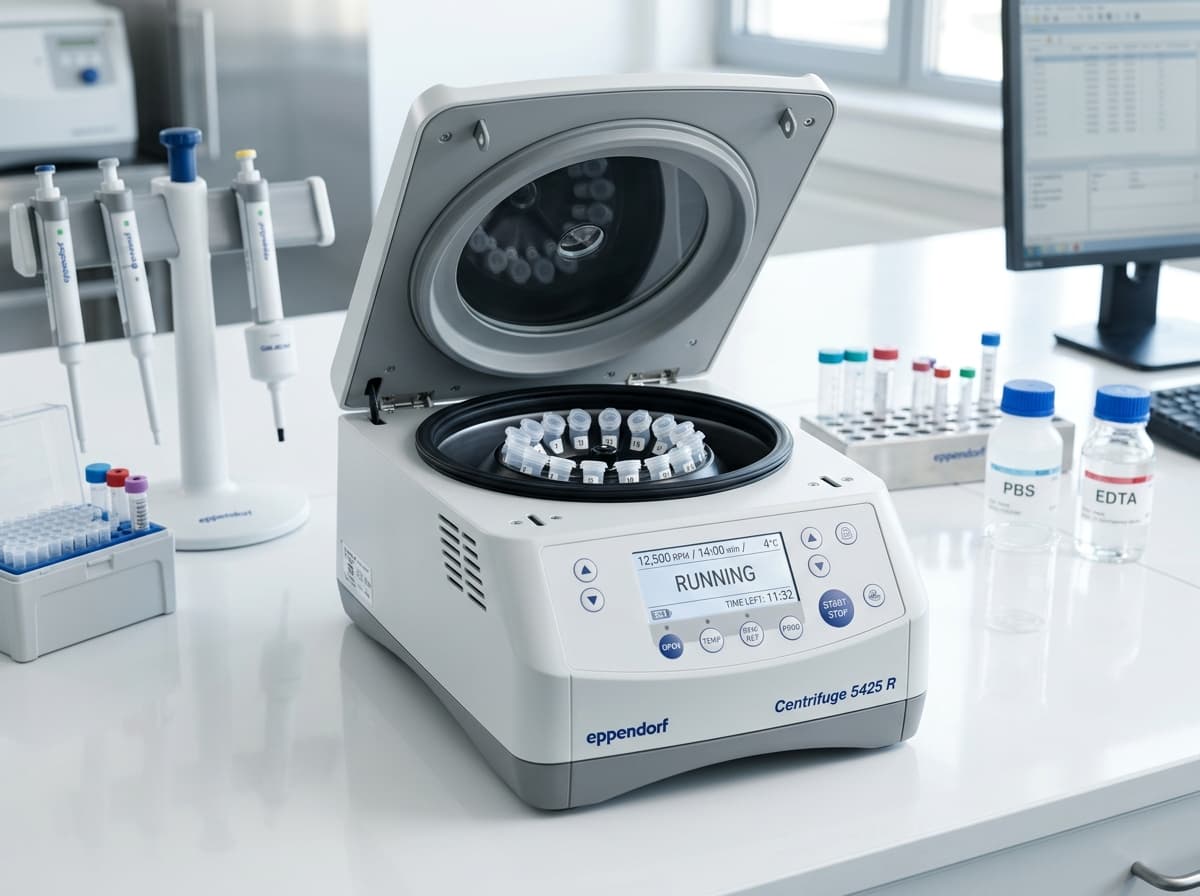
Essential Diagnostic Laboratory Testing
Clinical guidelines mandate a focused baseline laboratory blood panel prior to initiating therapy:
- Fasting Morning Testosterone: Fasting total testosterone drawn between 7:00 AM and 10:00 AM. If total testosterone is below 300 ng/dL or borderline (300–400 ng/dL), guidelines require a repeat morning confirmatory draw accompanied by Free Testosterone and Sex Hormone-Binding Globulin (SHBG).
- Fasting Glycemic Panel: Fasting blood glucose and Hemoglobin A1c (HbA1c) to screen for undiagnosed prediabetes or overt type 2 diabetes mellitus.
- Comprehensive Lipid Panel: Total cholesterol, low-density lipoprotein (LDL-C), high-density lipoprotein (HDL-C), and fasting triglycerides to identify atherogenic dyslipidemia.
- Serum Prolactin and TSH: Especially critical in men presenting with concurrent loss of sexual desire, delayed ejaculation, or significantly depressed testosterone.
- Comprehensive Metabolic Panel (CMP): Serum creatinine and estimated glomerular filtration rate (eGFR) to assess kidney function, alongside liver enzymes (AST/ALT), establishing baseline organ clearance for oral medications.
Specialized Diagnostic Testing (When Clinically Indicated)
For the majority of men, an initial diagnosis can be established through history, physical exam, and baseline labs. However, specialized hemodynamic testing is indicated for specific populations—including young men with suspected post-traumatic arteriogenic ED, patients with severe Peyronie's disease, men considering vascular reconstructive surgery, or patients failing all oral therapies:
- Penile Duplex Doppler Ultrasound (PDDU): The gold-standard hemodynamic diagnostic test. A vasoactive agent (such as alprostadil or TriMix) is injected directly into the corpus cavernosum to induce pharmacological smooth muscle relaxation. High-resolution ultrasound measures blood flow velocity through the cavernosal arteries. A Peak Systolic Velocity (PSV) below 30 cm/s indicates cavernosal arterial insufficiency. An End-Diastolic Velocity (EDV) remaining elevated above 5 cm/s with a resistive index (RI) below 0.85 confirms corporal veno-occlusive dysfunction (venous leak).
- Nocturnal Penile Tumescence (NPT) Monitoring: Uses portable electronic strain gauges (such as the Rigiscan device) worn around the penis during sleep for two to three consecutive nights. Normal men experience three to six spontaneous erections during REM sleep lasting 20 to 40 minutes each. Normal nocturnal rigidity in a man who cannot perform with a partner definitively confirms psychogenic ED.
5. Treatment Approaches Providers May Discuss: The Stepwise Care Model
Modern management of erectile dysfunction follows a stepwise, patient-centered care continuum. Clinical practice has evolved away from rigid algorithmic ladders toward a shared decision-making model, where licensed providers present the full range of evidence-based options, discussing risks, benefits, invasiveness, and costs.
| Treatment Tier | Clinical Interventions | Mechanism of Action | Typical Efficacy | Key Clinical Considerations & Trade-Offs |
|---|---|---|---|---|
| Tier 1: Lifestyle & Pelvic | Aerobic conditioning, Mediterranean diet, smoking cessation, Kegel pelvic floor therapy. | Restores endothelial eNOS synthesis; strengthens bulbocavernosus muscle to enhance veno-occlusion. | Improves IIEF scores by 2–4 points; reverses mild ED in up to 30% of motivated men. | Non-invasive, disease-modifying, improves longevity; requires months of sustained lifestyle adherence. |
| Tier 2: Oral Pharmacotherapy | PDE5 Inhibitors: Sildenafil (Viagra), Tadalafil (Cialis), Vardenafil (Levitra), Avanafil (Stendra). | Competitive inhibition of PDE5 enzyme; blocks cGMP breakdown, sustaining cavernosal smooth muscle relaxation. | 65% to 80% success rate in general ED populations; lower in diabetic and post-prostatectomy men. | First-line medical therapy; non-invasive; ABSOLUTE CONTRAINDICATION with organic nitrates. |
| Tier 3: Second-Line Local | Vacuum Erection Devices (VED), Intraurethral Alprostadil (MUSE), Intracavernosal Injections (BiMix/TriMix). | Direct mechanical suction or local vasoactive smooth muscle relaxation bypassing neurological pathways. | 85% to 95% efficacy; reliably produces rigid erection regardless of nerve damage. | Requires local administration before intercourse; risk of penile bruising, pain, or priapism (>4-hour erection). |
| Tier 4: Third-Line Surgical | Inflatable Penile Prosthesis (IPP) surgical implantation. | Surgical placement of fluid cylinders in the corpora with scrotal pump and pelvic fluid reservoir. | 95%+ patient and partner satisfaction; definitive resolution of end-stage refractory ED. | Invasive surgical procedure; irreversible (destroys native corporal tissue); risk of mechanical failure or infection. |
First-Line Foundation: Lifestyle Optimization and Pelvic Rehabilitation
Lifestyle intervention is not merely adjunct advice; it is disease-modifying therapy that directly addresses the root pathophysiology of endothelial dysfunction. A landmark randomized controlled trial published in JAMA demonstrated that obese men with ED who engaged in intensive lifestyle modification (aerobic exercise and weight loss) experienced significant spontaneous restoration of erectile function without medication in nearly one-third of participants.
Clinical guidelines emphasize four evidence-based lifestyle pillars:
- Targeted Aerobic Exercise: Engaging in a minimum of 160 minutes per week of moderate-to-vigorous aerobic exercise (brisk walking, cycling, rowing, jogging) for six months has been shown in systematic reviews to improve erectile function scores across all age groups. Aerobic exercise stimulates shear stress on the vascular endothelium, up-regulating eNOS transcription and reversing microvascular stiffness.
- Cardioprotective Nutrition: Adopting a Mediterranean dietary pattern—rich in unrefined whole grains, leafy green vegetables (high in dietary nitrates), extra virgin olive oil, wild fatty fish, nuts, and polyphenols, while eliminating ultra-processed foods and refined sugars—improves systemic endothelial reactivity and reduces arterial stiffness.
- Smoking Cessation: Nicotine is an exceptionally potent acute and chronic vasoconstrictor that induces rapid endothelial cell apoptosis. Smoking cessation halts the progression of cavernosal smooth muscle fibrosis and significantly improves erectile hemodynamics in men under age 50.
- Pelvic Floor Physical Therapy: Targeted strengthening of the ischiocavernosus and bulbocavernosus muscles under the guidance of a pelvic floor physical therapist enhances the voluntary skeletal muscle compression of the penile crura. In clinical trials, pelvic floor exercises (Kegels) achieved successful outcomes comparable to PDE5 inhibitors in men with mild venous leak.
Oral Pharmacotherapy: Phosphodiesterase Type 5 (PDE5) Inhibitors
Since the FDA approval of sildenafil in 1998, oral PDE5 inhibitors have served as the undisputed first-line medical therapy for erectile dysfunction. Four distinct PDE5 inhibitors are currently approved for clinical use, each possessing unique pharmacokinetic and pharmacodynamic profiles:
| Medication | Brand Name | Standard Dosing | Onset of Action | Duration of Window | Food / Meal Interactions |
|---|---|---|---|---|---|
| Sildenafil | Viagra | 25 mg, 50 mg, 100 mg (On-Demand) | 30 to 60 Minutes | 4 to 6 Hours | Significantly delayed absorption by high-fat meals; take on an empty stomach. |
| Tadalafil | Cialis | 10 mg, 20 mg (On-Demand) OR 2.5 mg, 5 mg (Daily) | 30 to 60 Minutes (Longer for full peak) | Up to 36 Hours ('The Weekend Pill') | No significant interaction with food; absorption unaffected by high-fat meals. |
| Vardenafil | Levitra / Staxyn ODT | 5 mg, 10 mg, 20 mg (On-Demand) | 30 to 60 Minutes | 4 to 6 Hours | Moderate delay by high-fat meals; orally disintegrating tablet (Staxyn) available. |
| Avanafil | Stendra | 50 mg, 100 mg, 200 mg (On-Demand) | 15 to 30 Minutes (Ultra-Rapid) | 6 to 12 Hours | Minimal interaction with food; highest selectivity for PDE5 over other PDE isozymes. |
Tadalafil's unique pharmacokinetic profile—characterized by an extended biological half-life of 17.5 hours—allows for two distinct dosing strategies: on-demand dosing (10–20 mg taken prior to anticipated activity) or daily low-dose therapy (2.5–5 mg taken at the same time each day). Daily low-dose tadalafil maintains a steady, continuous therapeutic blood concentration, completely decoupling sexual spontaneity from medication timing. Furthermore, daily tadalafil is FDA-approved to treat lower urinary tract symptoms secondary to benign prostatic hyperplasia (BPH), making it an ideal single-agent option for men navigating both urinary hesitancy and erectile concerns. To compare out-of-pocket medication expenses and clinic subscription fees, review our breakdown of how much men's health treatments and monitoring cost.
Second-Line Medical Options: Vacuum Devices and Injections
When oral PDE5 inhibitors are ineffective, contraindicated, or cause intolerable side effects, clinicians discuss second-line local therapies that act directly on penile tissue:
- Vacuum Erection Devices (VED): A non-invasive mechanical system consisting of an acrylic cylinder placed over the flaccid penis, a manual or battery-operated vacuum pump that creates negative atmospheric pressure to draw venous blood into the corpora, and an elastic constriction ring slipped over the base of the penis to maintain rigidity. VEDs boast high efficacy (>80–90%) and are particularly valuable in elderly men, patients with complete pelvic nerve transection, and men undergoing penile rehabilitation after radical prostatectomy. The constriction ring must never remain on for more than 30 consecutive minutes to prevent tissue ischemia.
- Intraurethral Alprostadil (MUSE): Medicated Urethral System for Erection utilizes a pre-filled applicator to insert a tiny semi-solid pellet of alprostadil (prostaglandin E1) directly into the distal urethra. Alprostadil absorbs through the urethral mucosa into the corpus spongiosum and diffuses into the corpora cavernosa. Success rates range between 40% and 60%, with localized penile aching and urethral burning being the primary complaints.
- Intracavernosal Injections (ICI): The most potent non-surgical medical therapy available. The patient uses an ultra-fine 29- to 31-gauge insulin-style needle to administer a micro-injection directly into the lateral aspect of the corpus cavernosum 5 to 15 minutes prior to intercourse. Medications include alprostadil monotherapy (Caverject, Edex) or compounded multi-agent formulations: BiMix (papaverine + phentolamine) and TriMix (papaverine + phentolamine + alprostadil). Because ICI acts directly on cavernosal vascular receptors, it produces a rigid erection in over 85% to 90% of men, completely independent of sexual stimulation or intact nerve signaling. The primary clinical risk is priapism—a prolonged, rigid erection lasting more than 4 hours, which constitutes a urological emergency.
Third-Line Definitive Therapy: Inflatable Penile Prostheses (IPP)
For men with end-stage, treatment-refractory organic erectile dysfunction—such as severe diabetic microvascular obliteration, radical prostatectomy nerve sacrifice, extensive cavernosal fibrosis, or severe Peyronie's disease—surgical implantation of an Inflatable Penile Prosthesis (IPP) represents the definitive gold standard.
The modern three-piece IPP consists of twin fluid-filled silicone cylinders surgically positioned inside the corpora cavernosa, a miniature control pump concealed discreetly within the scrotum between the testes, and a fluid reservoir placed in the prevesical pelvic space. When the man desires an erection, he squeezes the scrotal pump several times, transferring sterile saline from the reservoir into the cylinders to produce instant, rigid erection of unrestricted duration. Pressing a release valve transfers the fluid back into the reservoir, returning the penis to an entirely natural flaccid state.
Penile prosthesis surgery boasts the highest patient and partner satisfaction rates (>92% to 96%) in all of sexual medicine. It does not affect penile sensation, orgasm, or ejaculation. However, it is an irreversible surgical procedure that permanently replaces native erectile tissue; once implanted, a man will always require the device for structural rigidity.
Hormone Therapy Synergy and Psychological Support
In men presenting with concurrent biochemical hypogonadism (Total Testosterone <300 ng/dL) and erectile dysfunction, testosterone replacement therapy (TRT) serves as an essential therapeutic partner. While testosterone alone rarely resolves severe vascular ED, clinical trials demonstrate that adding TRT to a PDE5 inhibitor converts up to 50% of previous PDE5 inhibitor 'non-responders' into successful responders. Testosterone up-regulates PDE5 enzyme expression and restores cavernosal tissue sensitivity to nitric oxide. To review delivery methods and monitoring schedules, consult our clinical overview of testosterone replacement therapy (TRT).
Concurrently, integrating psychosexual counseling, Cognitive Behavioral Therapy (CBT), or couples sex therapy addresses the inevitable cognitive and relational fallout of sexual dysfunction. In modern sexual medicine, a 'dual-track' model—prescribing a medical therapy to provide immediate physical reliability while engaging in counseling to dismantle performance anxiety—yields the highest long-term success rates.
6. Monitoring and Follow-Up: Safety, Titration, and Cardiovascular Risk Stratification
Initiating treatment for erectile dysfunction is not a one-time transaction; it is an ongoing clinical partnership. Long-term monitoring focuses on three core priorities: ensuring proper medication administration, mitigating benign side effects, and stratifying cardiovascular risk.
The Truth About Initial 'Non-Response' to Oral Pills
A major clinical challenge in sexual medicine is premature patient discontinuation. Studies reveal that up to 50% of men stop taking PDE5 inhibitors after just one or two prescriptions, declaring that the medication 'did not work.' In clinical reality, up to 30% to 40% of initial treatment failures are attributable to improper administration rather than pharmacological failure.
Experienced clinicians educate patients on the essential rules of PDE5 inhibitor therapy:
- Sexual Stimulation Is Mandatory: PDE5 inhibitors do not create an erection automatically. They require physical, visual, or mental sexual arousal to trigger the initial release of nitric oxide. Without arousal, the medication remains inactive.
- Timing and Food Interactions: Sildenafil and vardenafil must be taken on an empty stomach. Consuming them with or shortly after a high-fat meal (such as a ribeye steak, pizza, or burger) delays gastric absorption by up to 60 to 90 minutes and blunts peak blood concentrations by 30%, rendering the dose ineffective.
- The 'Four-to-Six Attempt' Rule: Clinical practice guidelines recommend that a patient must trial a PDE5 inhibitor on at least four to six separate occasions under favorable conditions (adequate stimulation, no heavy alcohol, correct timing) and titrated to the maximum approved dose (e.g., 100 mg of sildenafil or 20 mg of tadalafil) before being categorized as a true non-responder.
Common Adverse Effects and Practical Management
Because PDE5 receptors exist in other vascular tissues throughout the body, systemic vasodilation can cause mild, transient side effects in approximately 15% to 25% of patients:
- Headache and Facial Flushing: Caused by vasodilation of cranial and cutaneous arterioles. Generally mild, peaking within 1 to 2 hours of ingestion and resolving spontaneously. Over-the-counter acetaminophen or ibuprofen provides effective relief.
- Dyspepsia and Acid Reflux: Caused by relaxation of the lower esophageal sphincter smooth muscle. Avoid taking medication flat in bed; pairing the dose with a small glass of water or an over-the-counter antacid/famotidine resolves symptoms.
- Nasal Congestion: Caused by vascular engorgement of the nasal mucosa. Saline nasal sprays provide non-pharmacological relief.
- Back Pain and Myalgia: Seen primarily with tadalafil (5% to 8% of patients) due to mild cross-inhibition of the PDE11 isozyme found in skeletal muscle. Typically emerges 12 to 24 hours post-dose and resolves within 48 hours.
- Visual Disturbances (Cyanopsia): A transient blue-tinted vision or heightened light sensitivity seen rarely with high-dose sildenafil (100 mg) due to mild cross-reactivity with the PDE6 enzyme in retinal photoreceptors. Harmless and fully reversible.
Cardiovascular Risk Stratification: The Princeton Consensus III Guidelines
Sexual intercourse represents a physiological exertion roughly equivalent to climbing two flights of stairs or walking briskly at 3 to 4 miles per hour on a flat surface—expending approximately 3 to 5 metabolic equivalents of task (METs). For men with suspected or established cardiovascular disease, sexual medicine relies on the Princeton Consensus Conference III Guidelines to stratify cardiac risk before authorizing sexual activity and prescribing ED medications:
| Risk Category | Clinical Cardiac Profile | Recommended Management & Care Strategy |
|---|---|---|
| Low Risk Category | Controlled hypertension; mild stable angina; remote uncomplicated myocardial infarction (>6 weeks ago); successful coronary revascularization; asymptomatic mild valvular disease; 3+ METs capacity without symptoms. | Safe to resume sexual activity and initiate PDE5 inhibitor therapy; no specialized cardiac stress testing required prior to treatment. |
| Intermediate Risk | Moderate stable angina; recent myocardial infarction (2 to 6 weeks ago); left ventricular dysfunction (NYHA Class II); multiple cardiovascular risk factors. | Requires formal cardiology evaluation and non-invasive exercise treadmill stress testing before resuming sexual activity or starting ED therapy. |
| High Risk Category | Unstable or refractory angina; uncontrolled hypertension (>180/110 mmHg); severe symptomatic aortic stenosis; recent myocardial infarction (<2 weeks ago); high-risk arrhythmias; decompensated heart failure (NYHA Class IV). | Sexual activity and ED therapy DEFERRED until cardiac condition is stabilized and formally cleared by a cardiologist. |
Choosing the Right Care Setting: Men today can evaluate erectile concerns through secure remote telemedicine platforms or local in-person urology and men's health practices. To review the clinical differences, lab requirements, and legal framework of each model, consult our guide on online vs. local men's health clinics.
7. Questions Worth Asking: A Practical Checklist for Your Appointment
Approaching a medical consultation with a clear, informed set of questions transforms a sensitive conversation into an empowering clinical strategy. Take this 10-point checklist into your evaluation with a licensed healthcare provider:
- 1Clinical Etiology: 'Based on my symptoms, physical exam, and health history, do you believe my erectile difficulty is primarily vascular, hormonal, neurological, medication-related, or psychogenic?'
- 2Cardiovascular Screening: 'Does my erectile dysfunction warrant an evaluation of my heart health, such as a coronary artery calcium (CAC) scan, lipid fraction testing, or a cardiovascular risk assessment?'
- 3Baseline Lab Testing: 'What specific baseline blood tests are we ordering today—including fasting morning testosterone, glycemic markers (HbA1c), lipid panels, and kidney function?'
- 4Medication Review: 'Could any of my current daily prescription medications—such as blood pressure drugs, antidepressants, or hair loss treatments—be contributing to my erectile difficulty?'
- 5PDE5 Inhibitor Selection: 'Which oral medication (sildenafil, tadalafil, vardenafil, or avanafil) best aligns with my health profile and lifestyle, and do you recommend on-demand or daily low-dose therapy?'
- 6Optimization Protocol: 'What are the exact instructions for taking this medication to ensure maximum effectiveness, and what is our plan if I do not experience optimal rigidity on the first few attempts?'
- 7Drug Interactions and Warnings: 'What are the exact contraindications regarding nitrates and alpha-blockers, and what symptoms would require emergency medical care?'
- 8Hormone Integration: 'If my blood work indicates low testosterone, should we address hormone replacement therapy in combination with erectile medications?'
- 9Non-Drug and Behavioral Support: 'Would pelvic floor physical therapy, structured aerobic conditioning, or psychosexual counseling be beneficial alongside medical treatment?'
- 10Second-Line Roadmap: 'If oral medications prove ineffective or cause side effects down the road, what are our next clinical options (such as injections, vacuum devices, or surgical prostheses)?'
8. Conclusion and Frequently Asked Questions
Erectile dysfunction is not an inevitable life sentence, a moral shortcoming, or a permanent loss of male vitality. It is a highly treatable neurovascular medical condition that provides a critical early window into a man's systemic cardiovascular and metabolic health. Thanks to modern advances in sexual medicine, virtually every man suffering from erectile dysfunction—regardless of age, medical history, or symptom severity—can achieve reliable, satisfying sexual function through an individualized, stepwise clinical care plan.
The path forward begins with a discreet, evidence-based conversation with a licensed medical professional. By combining diagnostic precision, cardiovascular awareness, pharmacological innovation, and healthy lifestyle habits, men can confidently protect their long-term health, restore intimacy, and reclaim their quality of life.
Evaluate Your Sexual Health & Care Options
Take Novalyte's clinical assessment to explore evidence-based erectile health pathways, understand diagnostic criteria, and review verified men's health providers.
Read next
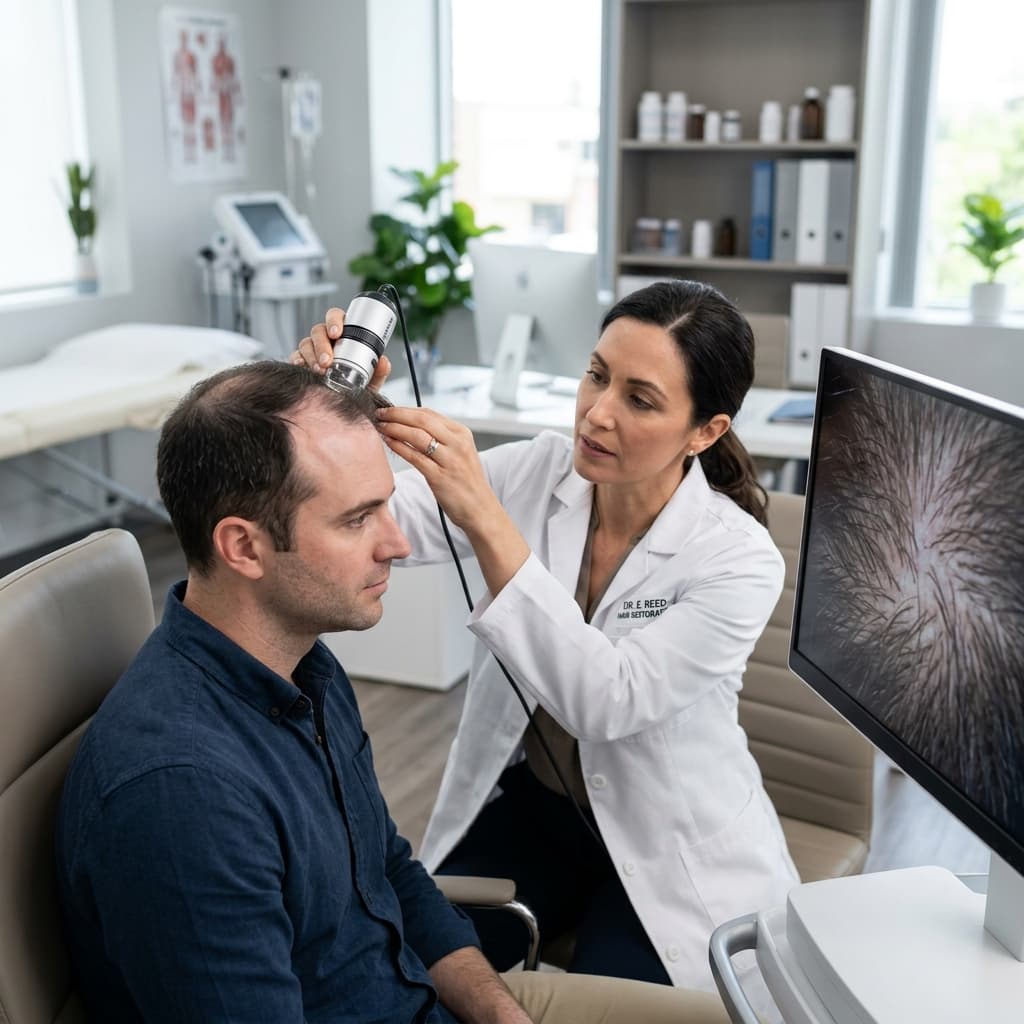
Hair Loss in Men: Understanding Causes, Evaluation, and Restoration Options
An exhaustive clinical guide for men on male pattern hair loss: the biological hair cycle, DHT and 5-AR genetics, trichoscopy diagnostics, finasteride, minoxidil, PRP, and FUE hair transplantation.
Frequently asked questions
Sources and references
Listed for general reference. Always consult the original sources for current clinical guidance; guidelines and safety communications are updated periodically.
- 1Burnett AL, et al. Erectile Dysfunction: AUA Guideline. J Urol. 2018;200(3):633-641.American Urological Association (for general reference)
- 2Feldman HA, et al. Impotence and its medical and psychosocial correlates: results of the Massachusetts Male Aging Study. J Urol. 1994;151(1):54-61.Journal of Urology (for general reference)
- 3Montorsi P, et al. Association between erectile dysfunction and coronary artery disease. Role of coronary clinical presentation and angiographic extent. Circulation. 2003;108(9):1119-1123.Circulation (for general reference)
- 4Nehra A, et al. The Princeton III Consensus recommendations for the management of erectile dysfunction and cardiovascular disease. Mayo Clin Proc. 2012;87(8):766-778.Mayo Clinic Proceedings (for general reference)
- 5Esposito K, et al. Effect of lifestyle changes on erectile dysfunction in obese men: a randomized controlled trial. JAMA. 2004;291(24):2978-2984.Journal of the American Medical Association (for general reference)
- 6Salonia A, et al. European Association of Urology Guidelines on Sexual and Reproductive Health. Eur Urol. 2021;80(3):333-357.European Association of Urology (for general reference)
- 7Corona G, et al. Testosterone and erectile function: a systematic review and meta-analysis. J Sex Med. 2017;14(11):1398-1416.Journal of Sexual Medicine (for general reference)
- 8U.S. Food and Drug Administration (FDA). Prescribing Information for Viagra (sildenafil), Cialis (tadalafil), Levitra (vardenafil), and Stendra (avanafil).U.S. Food and Drug Administration (for general reference)
- 9National Institute of Diabetes and Digestive and Kidney Diseases (NIDDK). Erectile Dysfunction (ED) Overview and Diagnosis.National Institutes of Health (for general reference)
The Novalyte Editorial Team researches and publishes evidence-grounded educational guides on men's sexual health, urology, hormone optimization, and clinical care models. All content is benchmarked against clinical practice guidelines from the American Urological Association (AUA), the Sexual Medicine Society of North America (SMSNA), and the European Association of Urology (EAU).
Get the Novalyte Journal in your inbox
Educational articles on men's health treatments, clinic operations, and workforce trends. No spam, unsubscribe anytime.
Want a quicker read on next steps?
If this topic feels relevant, a short informational assessment can help you organize questions for a licensed clinician. It takes a few minutes, covers ED Care, and is not a diagnosis.
Explore erectile-dysfunction clinics
Browse the Novalyte directory of verified men's health clinics by location, specialty, and telehealth availability.